
Sandy Springs, GA Mold Removal
Get the Mold Out of Your Sandy Springs Home, the Right Way
Found mold, or a musty smell you cannot place? Tell us what is going on and we will take a look and lay out exactly what it will take to make it right.
- Mold inspection, testing, and remediation for Sandy Springs homes
- We find and fix the moisture source behind the mold, not just the surface
- Serving Sandy Springs and the rest of North Fulton
Request an Inspection
Tell us what is going on and we will get right back to you.
Mold is one of the most common problems in Sandy Springs homes, and it is rarely just a surface stain. It turns up on bathroom and shower walls, across basement ceilings, in attics, and deep in crawl spaces, and between humid Georgia summers and red clay that holds water against foundations, the moisture that feeds it is often built into the house itself. Erase Mold is a local mold removal and remediation company that inspects, tests, and removes mold across Sandy Springs and North Fulton, with the focus on the part most companies skip: finding and correcting the moisture source so the mold does not simply grow back.
Before & After Mold Remediation
Heavy growth removed and the space brought back to a clean, healthy condition. This is what proper removal and source correction looks like.
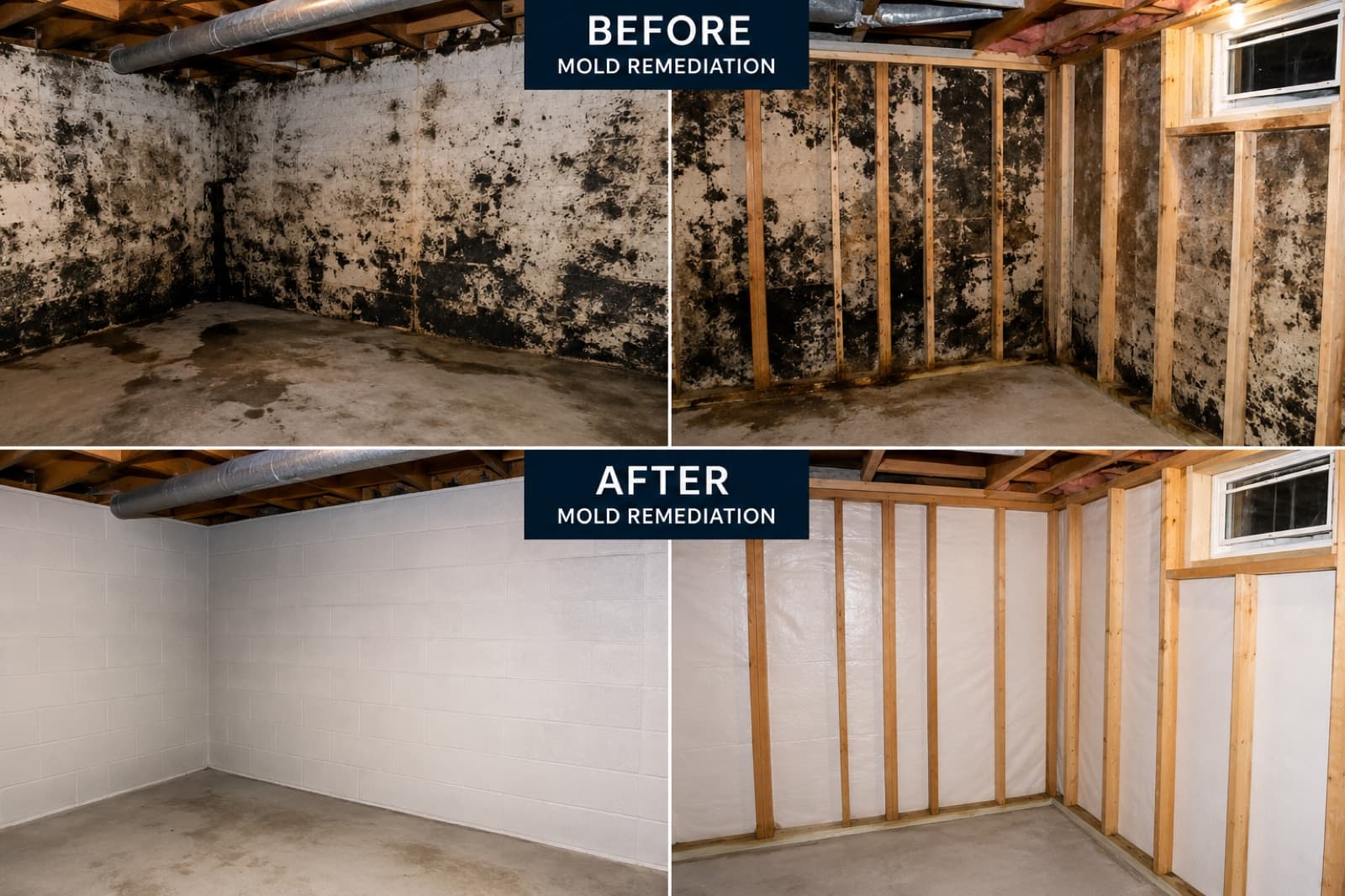
Basement wall
Heavy growth across the basement wall, removed and the surface brought back to clean material.
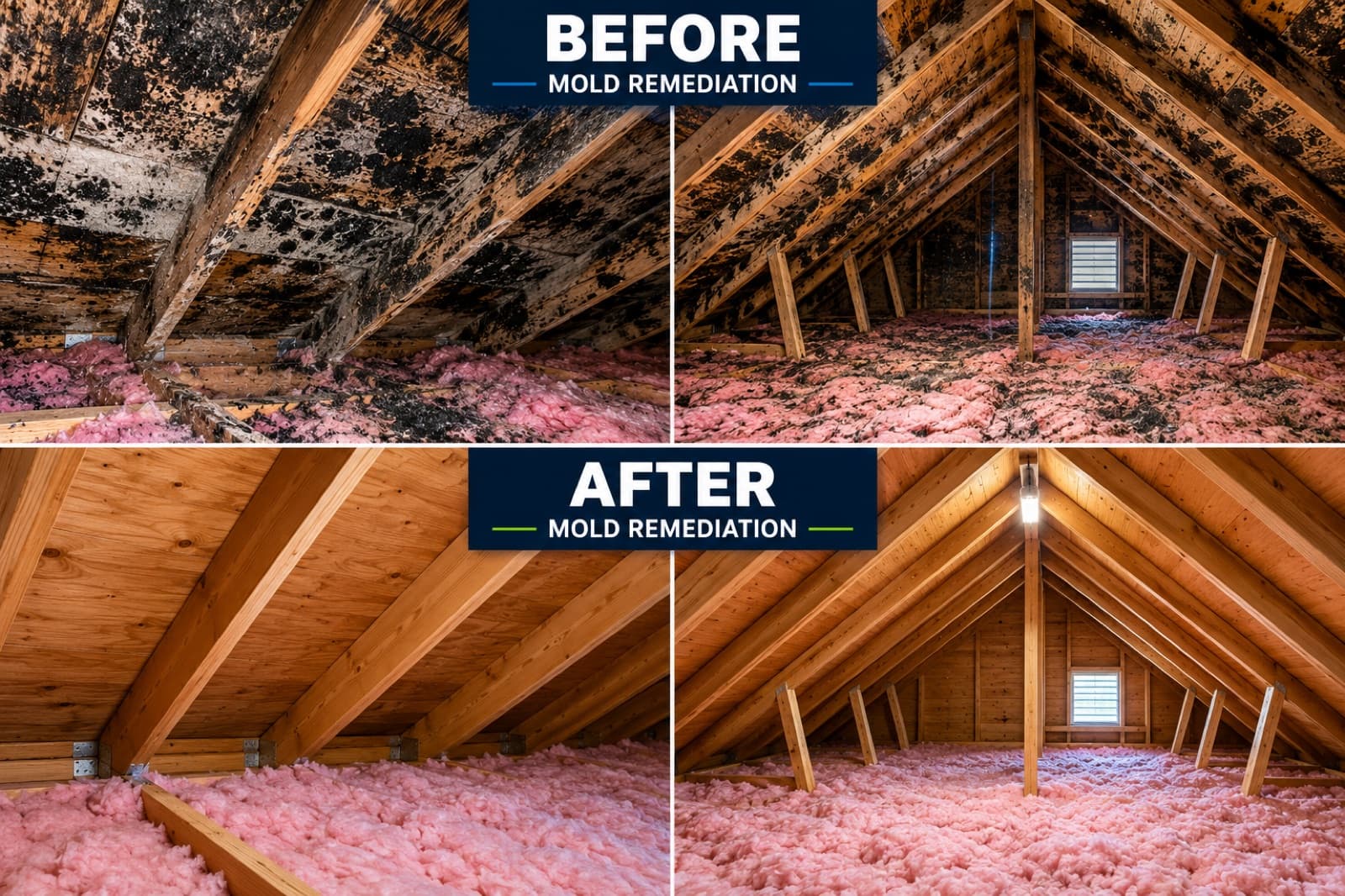
Attic rafters
Mold spread over the roof sheathing and rafters, cleaned off the wood throughout the attic.
Can Mold Like This Actually Be Removed?
Short answer: yes, even heavy black mold. Here is what that actually means for your home.
Yes, even heavy mold
Black mold and widespread growth come out the same way as any mold: we contain the area, remove what it has grown into, clean and dry, and fix the moisture so it is far less likely to return.
You can usually stay home
Because we seal off and HEPA filter the work area, most families stay in the house and just avoid the sealed zone. For bigger jobs or sensitive household members, we will tell you honestly if you should be out for a day or two.
You likely will not lose everything
Soaked drywall, carpet, and insulation usually have to go, but glass, metal, solid wood, hard plastics, and most clothing can be cleaned and kept. We go through it with you.
You will know the plan first
You get a clear written scope and a rough timeline before any work begins. No surprises, and no pressure.
How We Remove Mold the Right Way
The same structured process we follow on every Sandy Springs job, from the first inspection to final verification.
Inspection & moisture mapping
We find the water source and the full extent of the growth, not just what you can see.
Containment
We seal the work area and use negative air pressure so spores do not spread through the home.
HEPA removal
We physically remove the mold and affected porous materials, then HEPA vacuum the area.
Drying & dehumidification
We dry the structure and bring humidity back down into a range where mold is far less likely to return.
Source correction
We fix what caused it: a vapor barrier, drainage, a dehumidifier, or crawl space encapsulation.
Clearance verification
We confirm the space is back to a normal, healthy condition before we close out the job.
Mold Services in Sandy Springs
From the first inspection through final verification, available for homes and businesses across Sandy Springs and North Fulton.
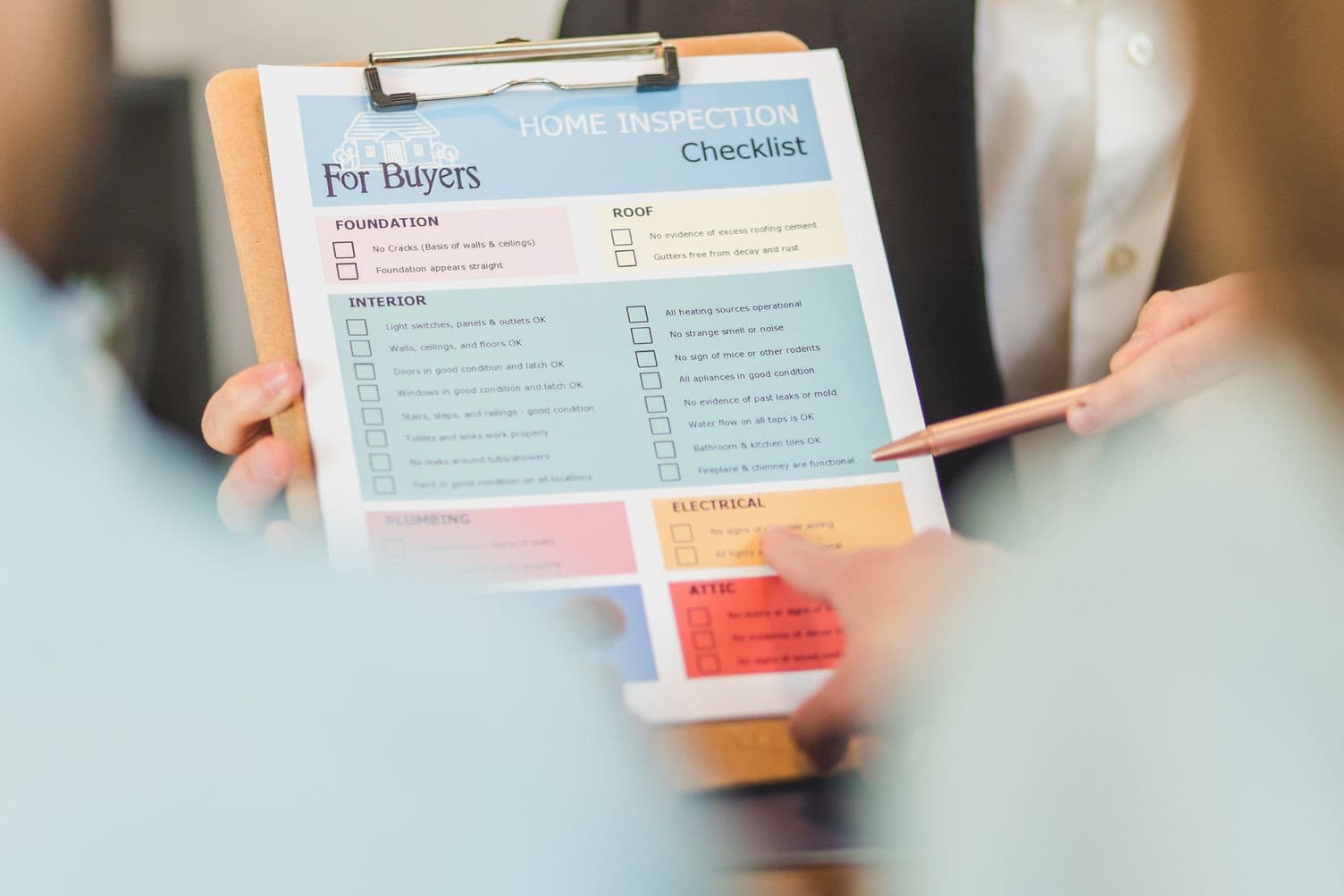
Mold Inspection
Visual inspection and moisture mapping to find the source and full extent.
Learn more →
Mold Testing & Air Sampling
Air and surface sampling with independent lab analysis when you need it confirmed.
Learn more →
Mold Removal & Remediation
Containment, HEPA filtration, removal, and cleanup of the affected area.
Learn more →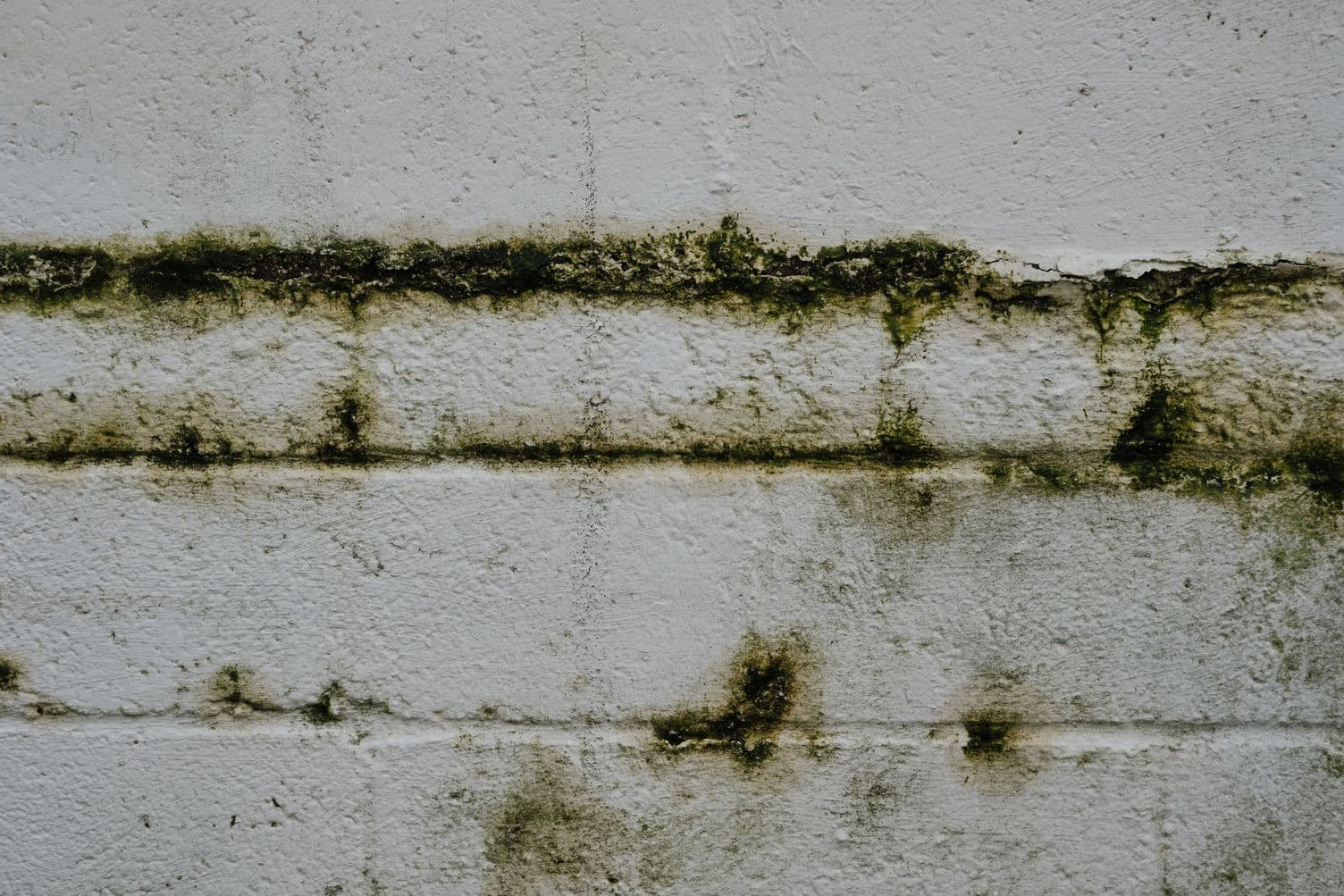
Black Mold Removal
Safe removal of heavier growth under full containment, source corrected.
Learn more →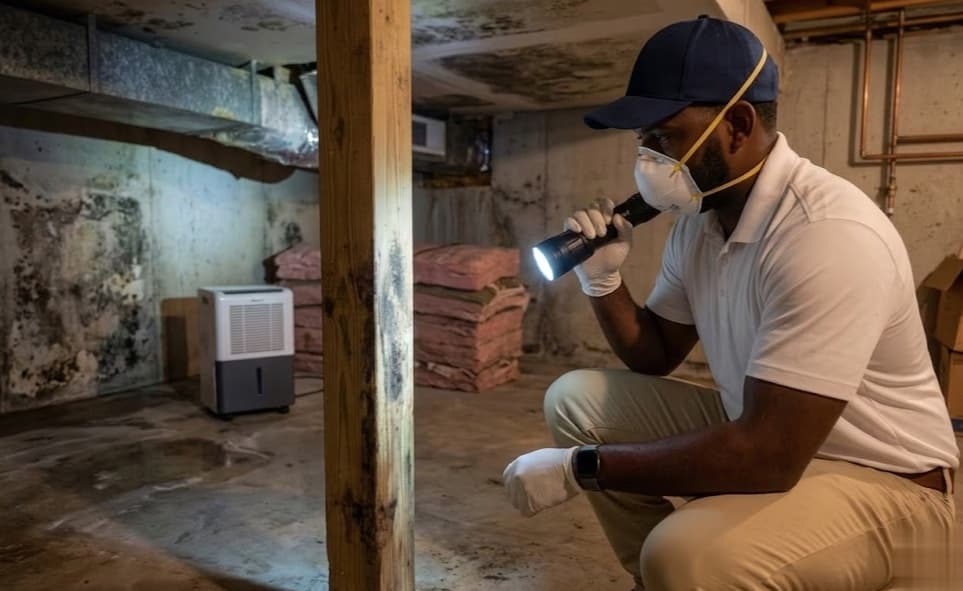
Crawl Space & Basement Mold
The most common mold sites in Sandy Springs homes, handled at the source.
Learn more →Serving Every Neighborhood in Sandy Springs
We work throughout Sandy Springs and the surrounding North Fulton area. If you have been searching for a mold removal company near you, you are in the right place. If you do not see your neighborhood below, call us. We almost certainly cover it.
Also serving nearby Roswell, Dunwoody, Brookhaven, and the rest of Fulton County.
Why Sandy Springs Homes Get Mold
Sandy Springs sits in a humid subtropical climate, and humidity hovers near 70 percent for much of the year. That is more than enough moisture for mold, and in North Fulton it tends to show up in a few predictable places.
Vented crawl spaces. Many homes built from the 1960s to the 1980s still use their original vented design. Warm, humid air condenses on the cooler wood underneath the floor and feeds mold on the joists within about 48 hours.
Red clay drainage. Georgia red clay drains slowly and holds water for days after a storm, so moisture collects against foundations and works into crawl spaces and basements.
The Chattahoochee corridor. Homes along Powers Ferry and Riverside sit closest to the river, where low-lying ground near the water holds moisture and can flood after heavy summer rain. Basement and crawl space moisture is a recurring issue there.
Finished basements. Below-grade finished space traps humidity, and a small leak behind drywall can grow mold unseen for months. The lasting fix is often encapsulation or dedicated dehumidification.
Those same below-grade spaces are also how radon gets into North Fulton homes, and our sister company Erase Radon provides radon mitigation in Sandy Springs.
What Affects the Cost of Mold Remediation
Wondering how much mold removal costs in Sandy Springs? Every home is different, so the only accurate number is a written estimate after an inspection, but a few things determine where the cost of the work lands:
How much area is affected
A single bathroom or closet is a smaller job than a whole crawl space or basement.
Where it is in the home
A finished basement, a tight crawl space, or an attic each take a different amount of access and setup.
How far it has spread
Heavier growth and contamination that has moved into hidden spaces takes more containment and labor.
Materials that need replacing
Porous materials like drywall, insulation, and subfloor sometimes have to be removed and rebuilt.
After we inspect the home and find the moisture source, we give you a written estimate with a clear scope before any work starts.
Sandy Springs Mold Questions
Is mold in my crawl space actually a problem?
Yes. A vented crawl space is the most common place mold grows in Sandy Springs homes, and the air down there does not stay down there. Through the stack effect, a large share of the air you breathe upstairs is drawn up from the crawl space, so growth on the joists and subfloor affects the whole house.
How do I choose the best mold removal company in Sandy Springs?
Look for a company that does more than wipe away what you can see. The best mold removal companies find the moisture source feeding the mold and fix it, contain the work area so spores do not spread, give you a written scope before any work starts, and verify the area is clean when they finish. Ask anyone you call how they handle each of those steps.
How do I know if I have mold?
Common signs are a persistent musty or earthy smell, visible spotting on walls, ceilings, or grout, a history of leaks or flooding, condensation or high humidity, warped or peeling paint, and allergy or breathing symptoms that ease when you leave the house. Any one of these is worth an inspection, since mold often grows where you cannot see it.
What is the difference between mold removal and mold remediation?
"Removal" sounds like every spore is gone, but spores are a normal part of the air in every home, so that is not realistic. "Remediation" is the accurate term: we remove the active growth and the materials it has spread into, then bring your home back to normal, healthy mold levels by fixing the moisture behind it. We use both words because people search for "removal," but remediation is what actually protects you.
Is it safe to live in my home after the mold is removed?
Yes. Before we call a job done, we check the work and, when testing has been done, confirm the air or surfaces are back to normal levels. Because we also correct the moisture source, the conditions that fed the mold are gone, not just the surface growth.
Why does mold keep coming back in my home?
Almost always because the moisture source was never corrected. If a crawl space stays humid or a basement keeps taking on water, removing the visible mold only buys a few months. We fix the source so it is far less likely to return.
Do I need mold testing, or just removal?
If there is visible growth, the EPA notes that testing is usually not necessary before removal. Testing is most useful to find hidden mold behind a musty smell, or to verify the air is back to normal after the work is done. We will tell you honestly which you need.
I have active water damage. Does timing matter?
Yes. Mold can begin growing on a damp surface within about 24 to 48 hours, so it helps to address water damage promptly. Call us and we will schedule an inspection and walk you through what to do in the meantime.
How fast can mold come back in Atlanta humidity?
When conditions are right, mold can begin growing on a damp surface within about 24 to 48 hours. With Sandy Springs humidity near 70 percent for much of the year, an unaddressed moisture problem can regrow quickly, which is why source correction matters so much.
Do you serve all of Sandy Springs?
Yes. We serve every neighborhood in Sandy Springs, from the Powers Ferry and Riverside corridor along the river to High Point, Hammond, North Springs, and Glenridge, along with the rest of North Fulton and Metro Atlanta.
Is black mold in my home dangerous?
Any mold can trigger allergy and asthma symptoms, and people with asthma, allergies, or weakened immune systems tend to react the most. Black mold, sometimes called toxic black mold, gets the most attention, but the more useful point is that visible growth of any color means you have a moisture problem that needs to be found and fixed. The right response is the same either way: remove it and correct the source.
How long does mold removal usually take?
Most home jobs take anywhere from a day to a few days, depending on how much area is affected, how far the growth has spread, and whether materials like drywall or insulation need to be removed and dried. You get a timeline along with your written scope after the inspection.
Does homeowners insurance cover mold?
Sometimes. Mold from a sudden, accidental event like a burst pipe is more often covered, while mold from a slow leak, high humidity, or flooding is usually not, and many policies cap how much they pay for mold. It comes down to your specific policy, so it is worth checking with your insurer.
Concerned About Mold in Sandy Springs?
Tell us what you are seeing or smelling and we will help you figure out the next step. Mold can begin to grow on damp surfaces within 24 to 48 hours, so it pays to look into it early.