Metro Atlanta
Mold Removal and Remediation Done the Right Way
Contain the area, remove the mold and affected materials, and correct the moisture source so it is less likely to return.
- Inspection that pinpoints the moisture source, not just the mold
- Containment-first work to limit the spread of spores
- A clear written scope and timeline before any work begins
Request an Inspection
Tell us what is going on and we will get right back to you.
Quick answer
Containment, removal of mold-affected materials, cleaning of salvageable surfaces, and correction of the moisture source behind the growth.
Mold remediation is more than wiping a surface clean. The aim is to physically remove mold growth, take out materials that cannot be cleaned, and return the area to a normal, healthy fungal condition, while correcting the water problem that allowed the mold in the first place. It is worth being clear about one thing: simply killing mold is not the goal. Even dead mold can still cause an allergic reaction, which is why it must be removed rather than just treated. Our process is built around containment, careful removal, and fixing the moisture source so the problem is far less likely to come back.
What Our Mold Removal and Remediation Includes
Containment of the work area
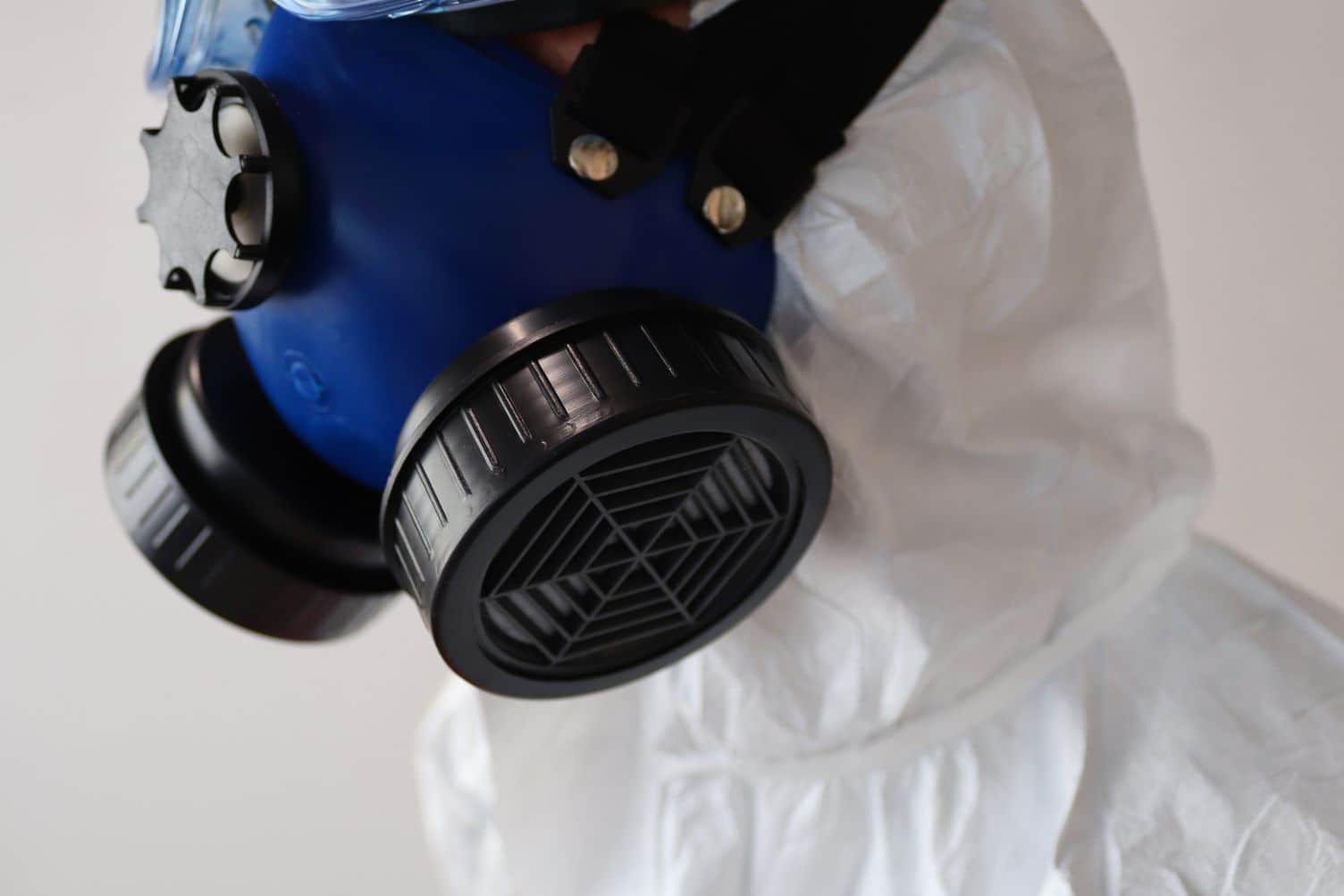
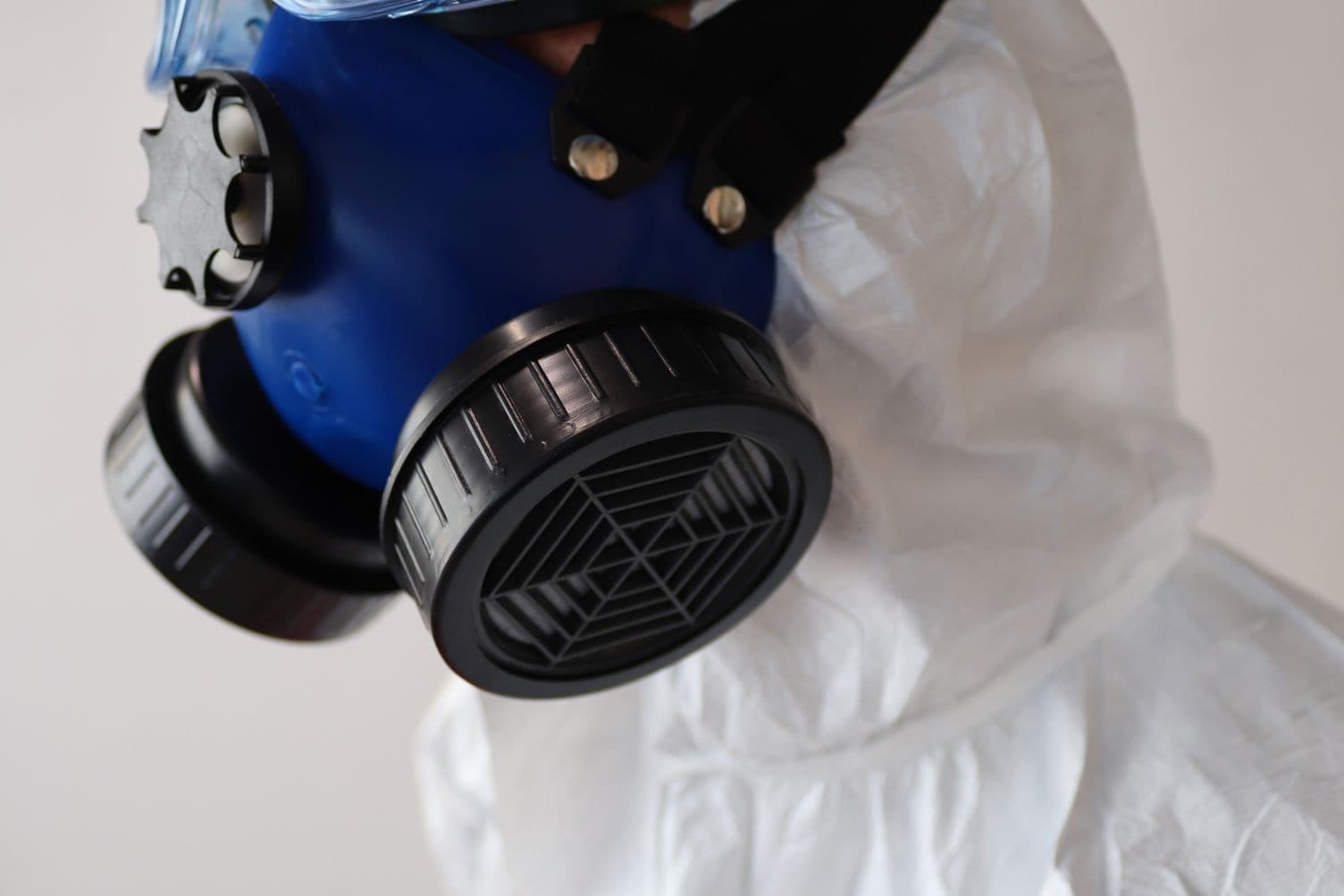
Before removal begins, we set up containment to help limit the spread of spores into clean parts of the building. Depending on the size and location of the growth, this can include physical barriers and negative air pressure (air flows inward so spores cannot drift out) with air filtration during the work.
Removal of affected materials
Porous materials that have absorbed mold, such as saturated drywall, insulation, or carpet, generally cannot be fully cleaned and are removed. Non-porous and semi-porous surfaces that can be salvaged are cleaned. The approach follows the principle of removing mold rather than painting or sealing over it.
HEPA filtration and cleaning
We use HEPA air filtration during the process and clean the work area thoroughly. Because dead mold can remain allergenic, the focus is on physically removing growth and debris, not just applying a product to the surface.
Correcting the moisture source
Remediation is not complete until the water problem is addressed. Whether it is a leak, drainage issue, ventilation problem, or high indoor humidity, correcting the source is what keeps mold from returning. This is the single most important step for a lasting result.
Documentation of the work
You receive clear records of what was removed and cleaned, along with recommendations for keeping moisture under control. Where useful, we can arrange post-remediation testing to document that conditions have improved.
How It Works
Assess and plan
We review the inspection findings, confirm the extent of the mold and the moisture source, and build a scope of work matched to the size and location of the problem.
Set up containment
Work areas are isolated with barriers and, where appropriate, negative air pressure and HEPA filtration to help keep spores from spreading.
Remove and clean
Mold-affected materials that cannot be cleaned are removed and bagged, salvageable surfaces are cleaned, and the area is HEPA vacuumed and wiped down.
Fix the moisture
We address the underlying water source so conditions no longer favor mold growth, then provide recommendations to keep humidity and moisture in check.
Document and verify
You get written records of the work, and where it adds value, post-remediation or clearance testing helps confirm the area has returned to a normal condition.
Signs This May Be What You Need
- Visible mold covering a larger area, often cited as more than about 10 square feet
- Mold that keeps coming back after cleaning
- Mold following significant water damage or flooding
- A strong, persistent musty odor throughout a space
- Mold in an HVAC system or spread across multiple rooms
Why Metro Atlanta Homeowners Call Erase Mold
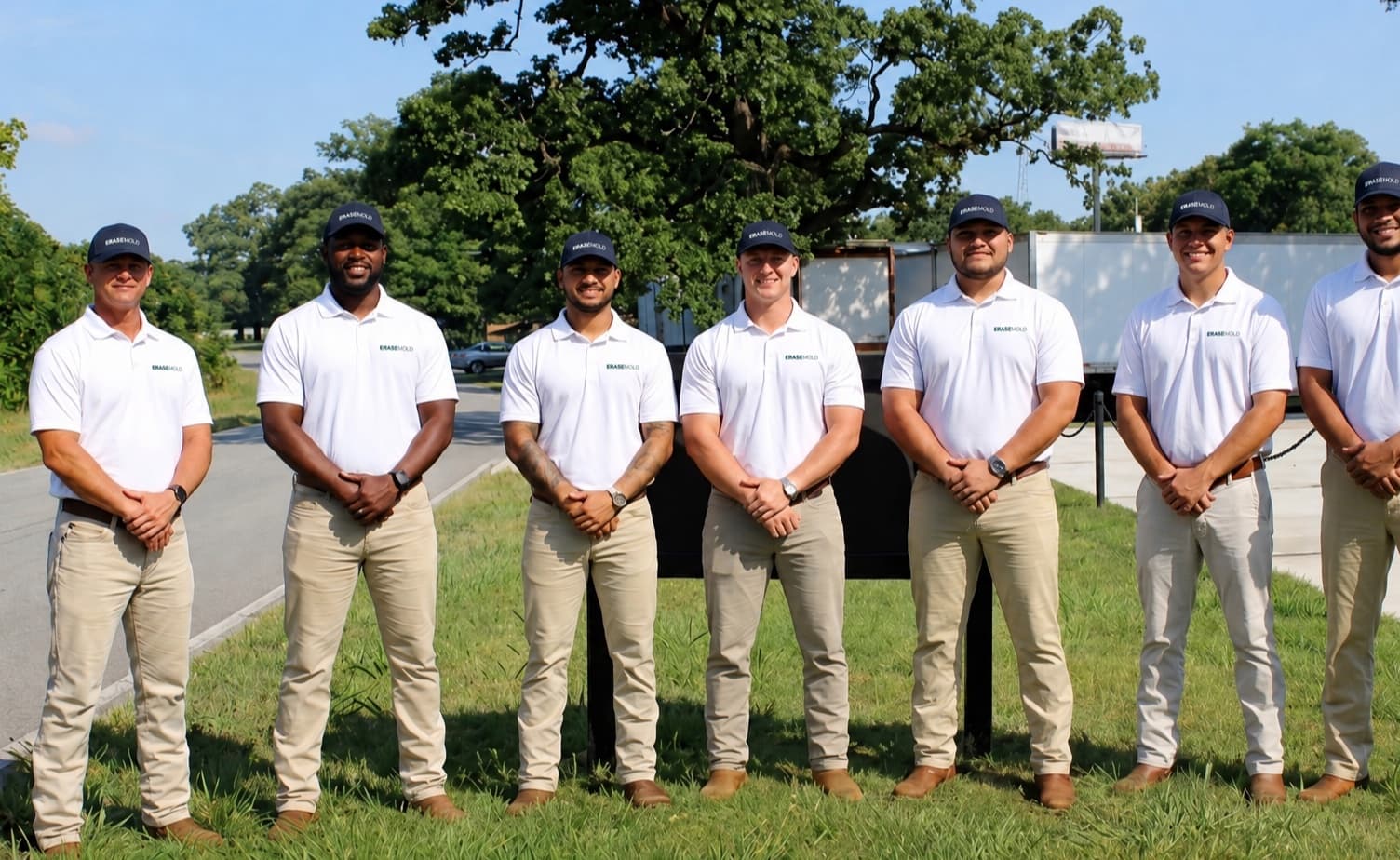
We are a local crew that does mold and water work the right way: find the moisture source, contain the area, and document the job so you know exactly what happened and why.
- Local to Metro Atlanta and its humid climate
- We treat the cause, not just the surface mold
- Containment-first work to protect the rest of your home
- Plain-language answers and documentation at every step
The damp crawl spaces and basements where mold takes hold are also where radon enters a home, so our sister company Erase Radon handles radon testing and mitigation for the same Metro Atlanta homes.
Request an InspectionFrequently Asked Questions
Can I just clean the mold myself with bleach?
For a small area on a hard surface, careful do-it-yourself cleaning can be reasonable. For larger areas, the EPA suggests that jobs over roughly 10 square feet or those tied to major water damage are best handled by a professional. Bleach is not recommended as a routine remediation practice, and importantly, killing mold is not the goal. Mold must be physically removed and the moisture source corrected, because even dead mold can still cause allergic reactions.
Will remediation get rid of mold permanently?
No honest company can promise a home will never have mold, because spores are everywhere and the goal is a normal fungal ecology rather than zero spores. What lasting remediation does is remove the active growth and, just as important, correct the moisture source so the conditions that caused the mold no longer exist. That is why we treat the water problem as part of the job.
How much does mold remediation cost?
Cost depends heavily on the size of the affected area, the materials involved, how accessible the space is, and the moisture repairs needed. Small jobs are at the lower end while extensive water damage runs higher. We provide a scope and estimate after assessing the specific situation rather than quoting a flat number sight unseen.
Does homeowners insurance cover mold remediation?
It depends entirely on your policy and the cause of the mold. Coverage often turns on whether the underlying water damage was sudden and accidental versus the result of long-term neglect or flooding, and many policies have specific mold limits or exclusions. Review your own policy and speak with your insurer about your particular situation.
How long does remediation take?
Many residential projects are completed in a few days, but timelines vary with the size of the affected area, the extent of material removal, drying time, and any moisture repairs. We give you a realistic timeframe as part of the scope of work.
Cost and Insurance
What affects the cost?
Every situation is different, so we do not quote a price before we know what we are dealing with. Cost depends on the size of the affected area, how much material has to be removed, how hard the growth or moisture is to reach, the type and extent of containment needed, and any moisture repairs behind the problem. You get a written estimate after an inspection, so the scope and what is included are clear before any work begins.
Will insurance cover it?
It depends on your policy and the cause. Sudden and accidental events, such as a burst pipe, are more often covered, while gradual leaks, long-term seepage, neglected maintenance, and flooding are commonly excluded or need separate coverage, and many policies cap mold-related costs. We cannot promise what your policy will pay, so review your own policy and speak with your insurer about your situation. We can provide documentation of the conditions we find and the work performed to support a claim.
Related Services
Black Mold Removal
Removal of dark-colored mold using the same containment-first remediation approach, with the facts about so-called black mold explained.
Learn more →Post-Remediation and Clearance Testing
Independent verification after remediation, using a visual review and air sampling to document that the area has returned to a normal condition.
Learn more →Mold Inspection
A thorough visual and moisture inspection to find where mold is growing and the conditions causing it.
Learn more →Mold Service Across Metro Atlanta
We provide mold removal and remediation and the rest of our mold services throughout the Metro Atlanta area. Find help in your city or county:
- Mold removal in Atlanta
- Mold inspection in Sandy Springs
- Mold removal in Marietta
- Mold remediation in Roswell
- Mold inspection in Alpharetta
- Mold removal in Decatur
- Mold remediation in Smyrna
- Mold removal in Dunwoody
- Mold inspection in Brookhaven
- Mold removal in Johns Creek
- Mold remediation in Fulton County
- Mold removal in Cobb County
- Mold inspection in DeKalb County
- Mold removal in Gwinnett County
See all of the areas we serve across Metro Atlanta.
Concerned About Mold in Your Home?
Tell us what you are seeing or smelling and we will help you figure out the next step. Mold can begin to grow on damp surfaces within 24 to 48 hours, so it pays to look into it early.