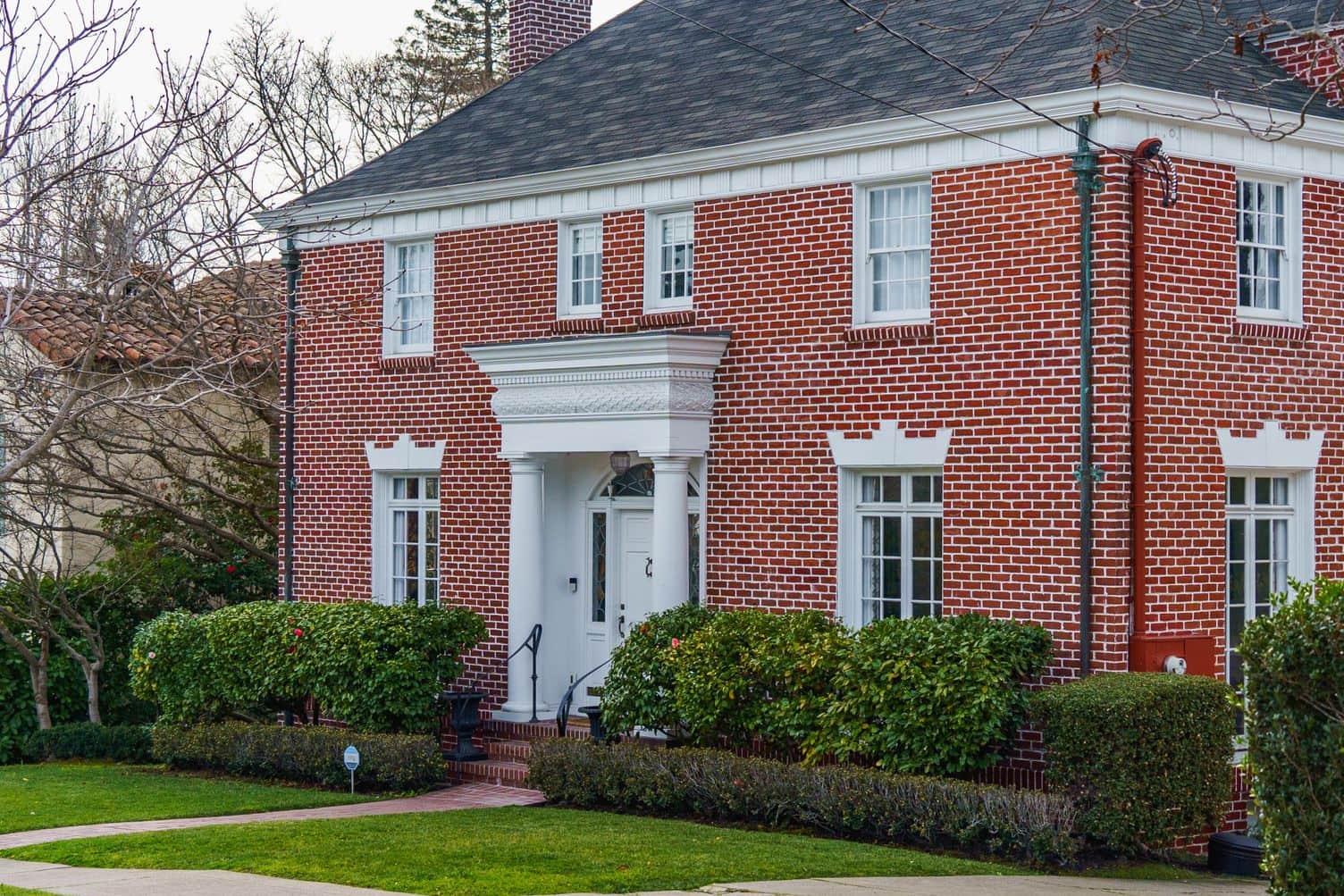
Lawrenceville, Gwinnett County
Mold Inspection, Testing and Removal in Lawrenceville
Local mold services for Lawrenceville, from historic homes near the square to growing subdivisions on humid Gwinnett County clay.
- Mold inspection, testing, and remediation for Lawrenceville homes
- We find and fix the moisture source behind the mold, not just the surface
- Serving Lawrenceville and the surrounding Metro Atlanta area
Request an Inspection
Tell us what is going on and we will get right back to you.
Lawrenceville is the Gwinnett County seat, with a historic core that dates back generations and a wide ring of newer subdivisions that have grown up around it. That contrast shapes where mold appears. The older homes near the downtown square often sit over crawl spaces and basements built before modern moisture detailing, while the large subdivisions built from the 1980s onward bring two-story homes with finished basements and aging HVAC. The humid climate and slow-draining red clay keep moisture against foundations regardless of a home's age. Mold grows once indoor humidity passes about 60 percent. We provide mold inspection, testing, and remediation throughout Lawrenceville, from the square to the surrounding subdivisions.
Before & After Mold Remediation
Heavy growth removed and the space brought back to a clean, healthy condition. This is what proper removal and source correction looks like.
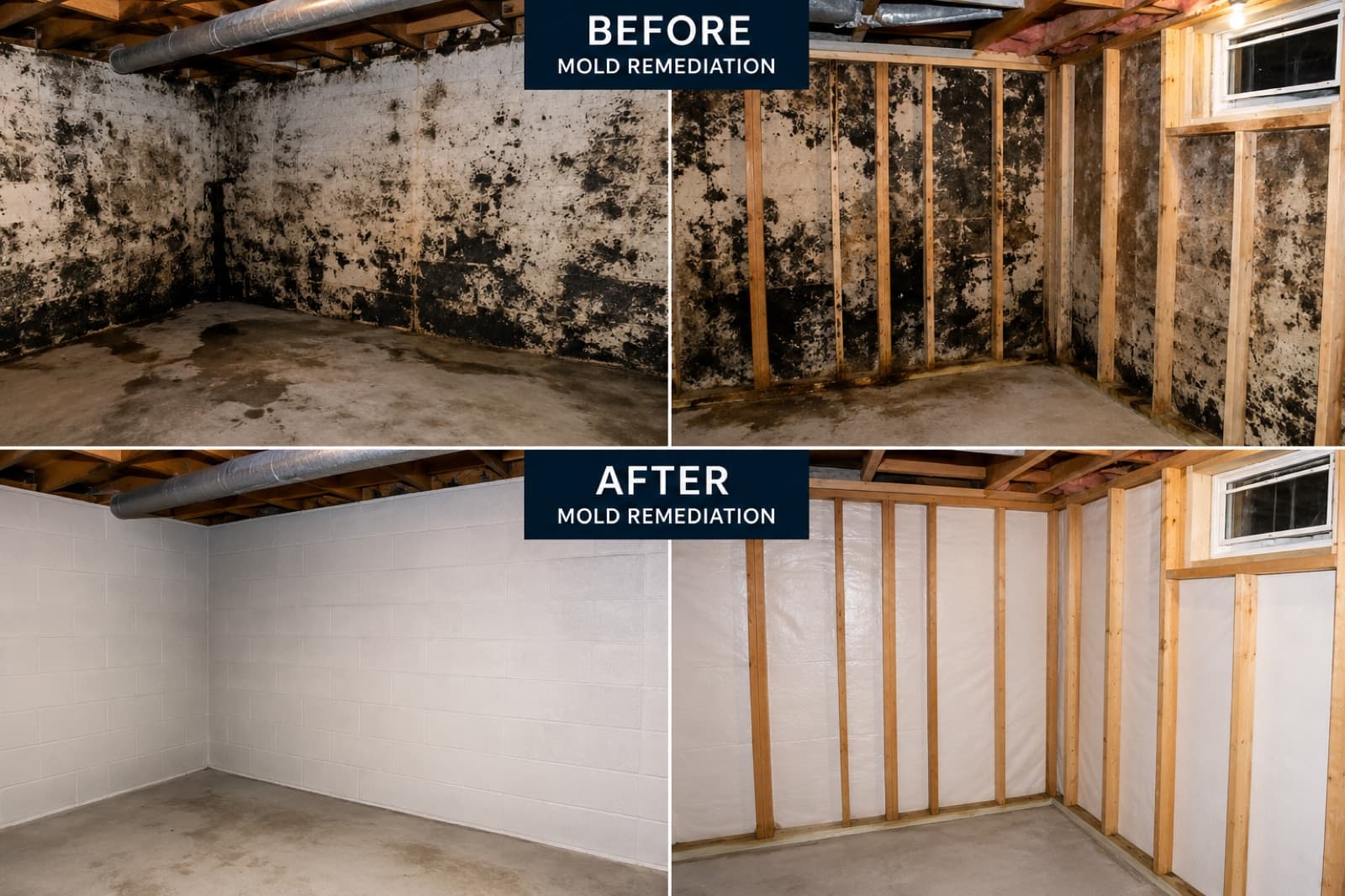
Basement wall
Heavy growth across the basement wall, removed and the surface brought back to clean material.
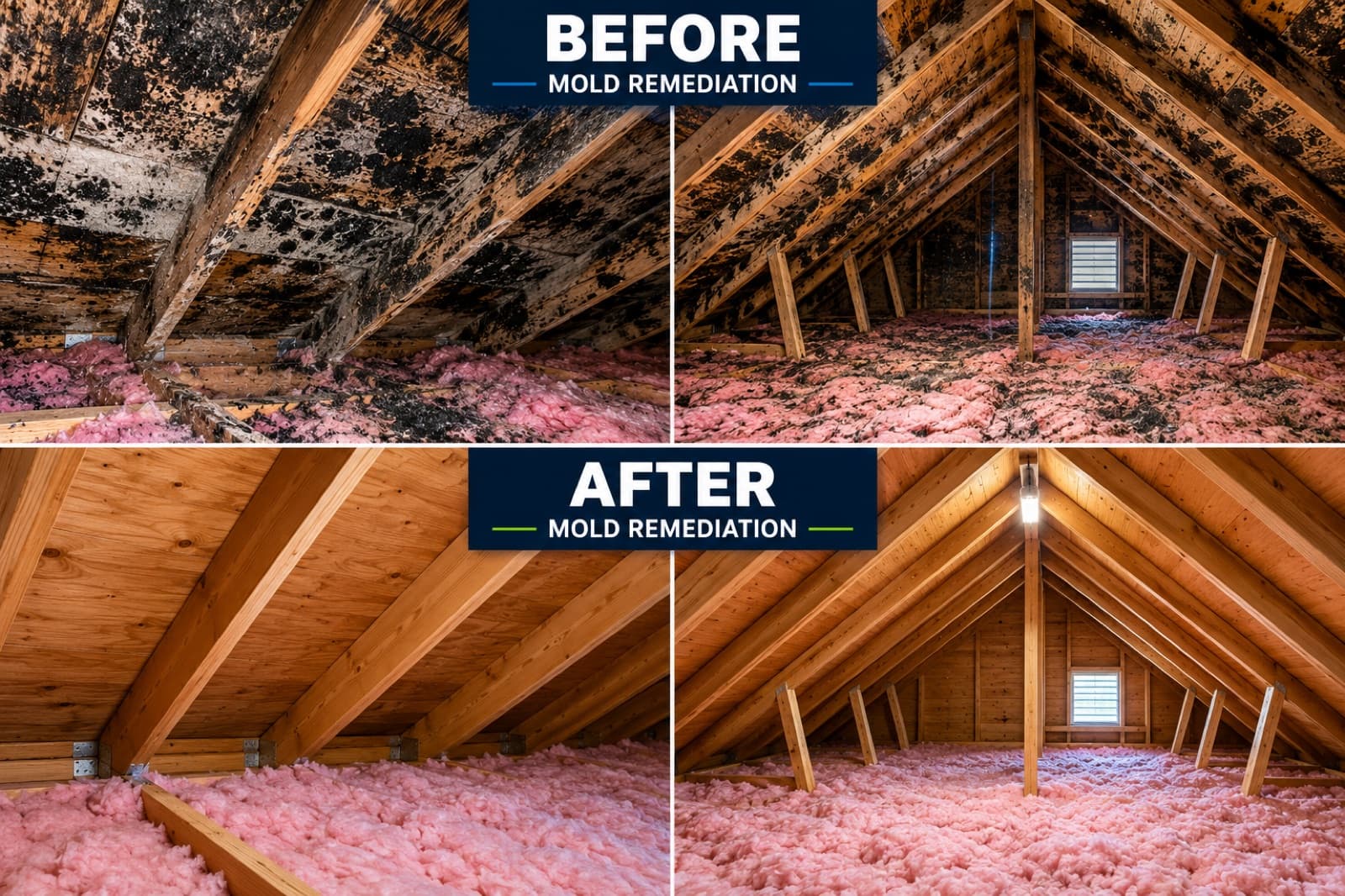
Attic rafters
Mold spread over the roof sheathing and rafters, cleaned off the wood throughout the attic.
Can Mold Like This Actually Be Removed?
Short answer: yes, even heavy black mold. Here is what that actually means for your home.
Yes, even heavy mold
Black mold and widespread growth come out the same way as any mold: we contain the area, remove what it has grown into, clean and dry, and fix the moisture so it is far less likely to return.
You can usually stay home
Because we seal off and HEPA filter the work area, most families stay in the house and just avoid the sealed zone. For bigger jobs or sensitive household members, we will tell you honestly if you should be out for a day or two.
You likely will not lose everything
Soaked drywall, carpet, and insulation usually have to go, but glass, metal, solid wood, hard plastics, and most clothing can be cleaned and kept. We go through it with you.
You will know the plan first
You get a clear written scope and a rough timeline before any work begins. No surprises, and no pressure.
How We Remove Mold the Right Way
The same structured process we follow on every Lawrenceville job, from the first inspection to final verification.
Inspection & moisture mapping
We find the water source and the full extent of the growth, not just what you can see.
Containment
We seal the work area and use negative air pressure so spores do not spread through the home.
HEPA removal
We physically remove the mold and affected porous materials, then HEPA vacuum the area.
Drying & dehumidification
We dry the structure and bring humidity back down into a range where mold is far less likely to return.
Source correction
We fix what caused it: a vapor barrier, drainage, a dehumidifier, or crawl space encapsulation.
Clearance verification
We confirm the space is back to a normal, healthy condition before we close out the job.
Mold Services in Lawrenceville
From the first inspection through final verification, available for homes and businesses across Lawrenceville.
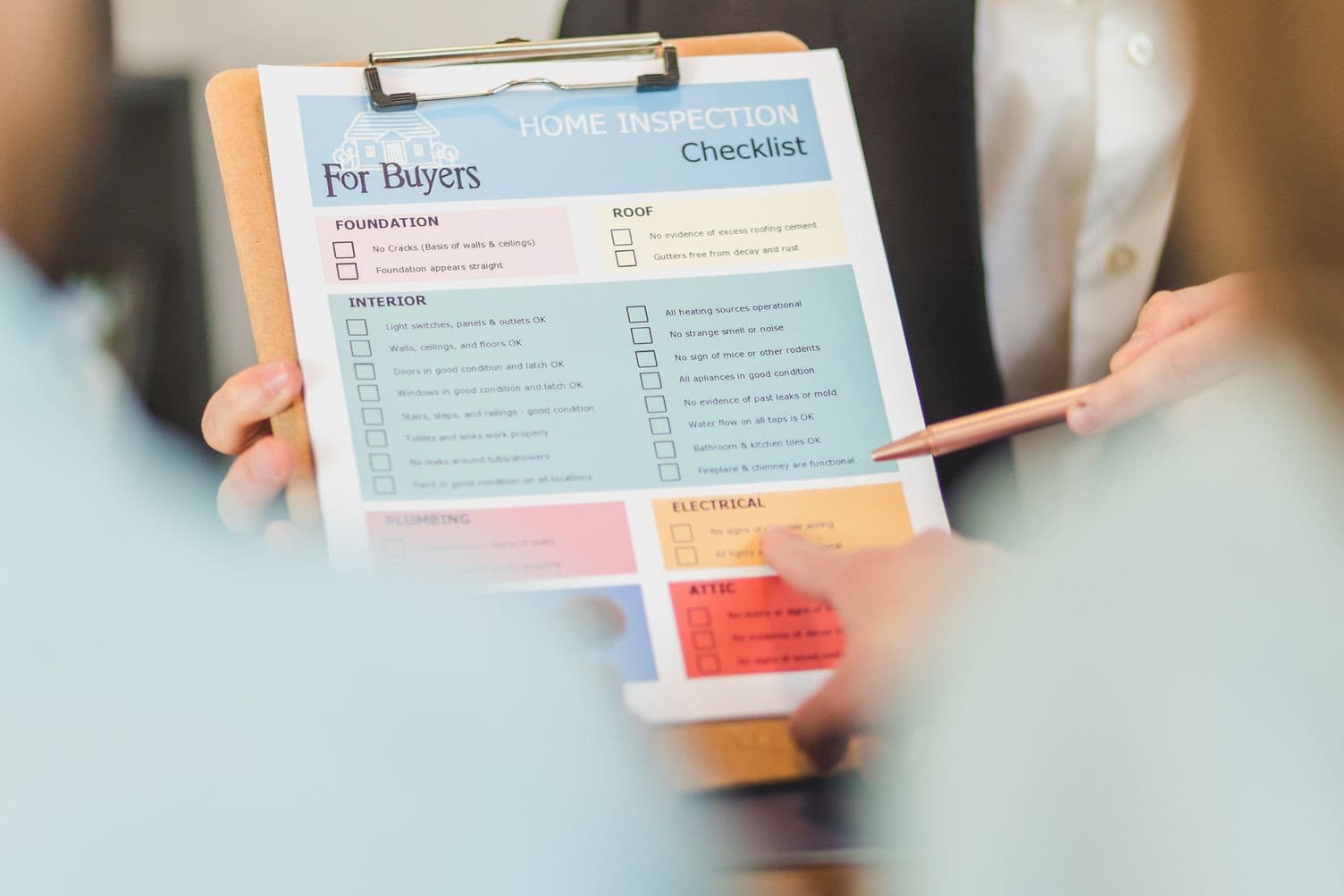
Mold Inspection
Visual inspection and moisture mapping to find the source and full extent.
Learn more →
Mold Testing & Air Sampling
Air and surface sampling with independent lab analysis when you need it confirmed.
Learn more →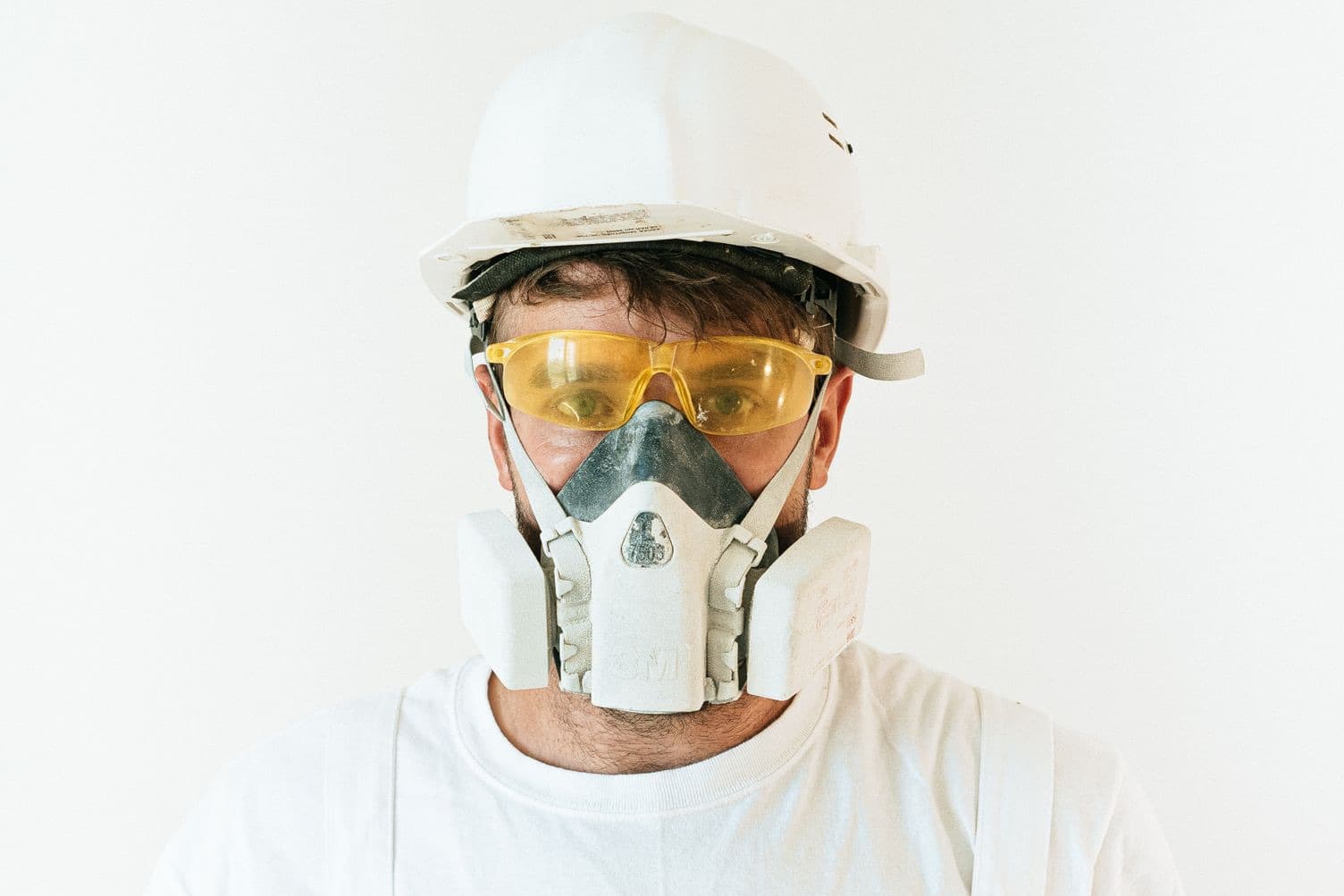
Mold Removal & Remediation
Containment, HEPA filtration, removal, and cleanup of the affected area.
Learn more →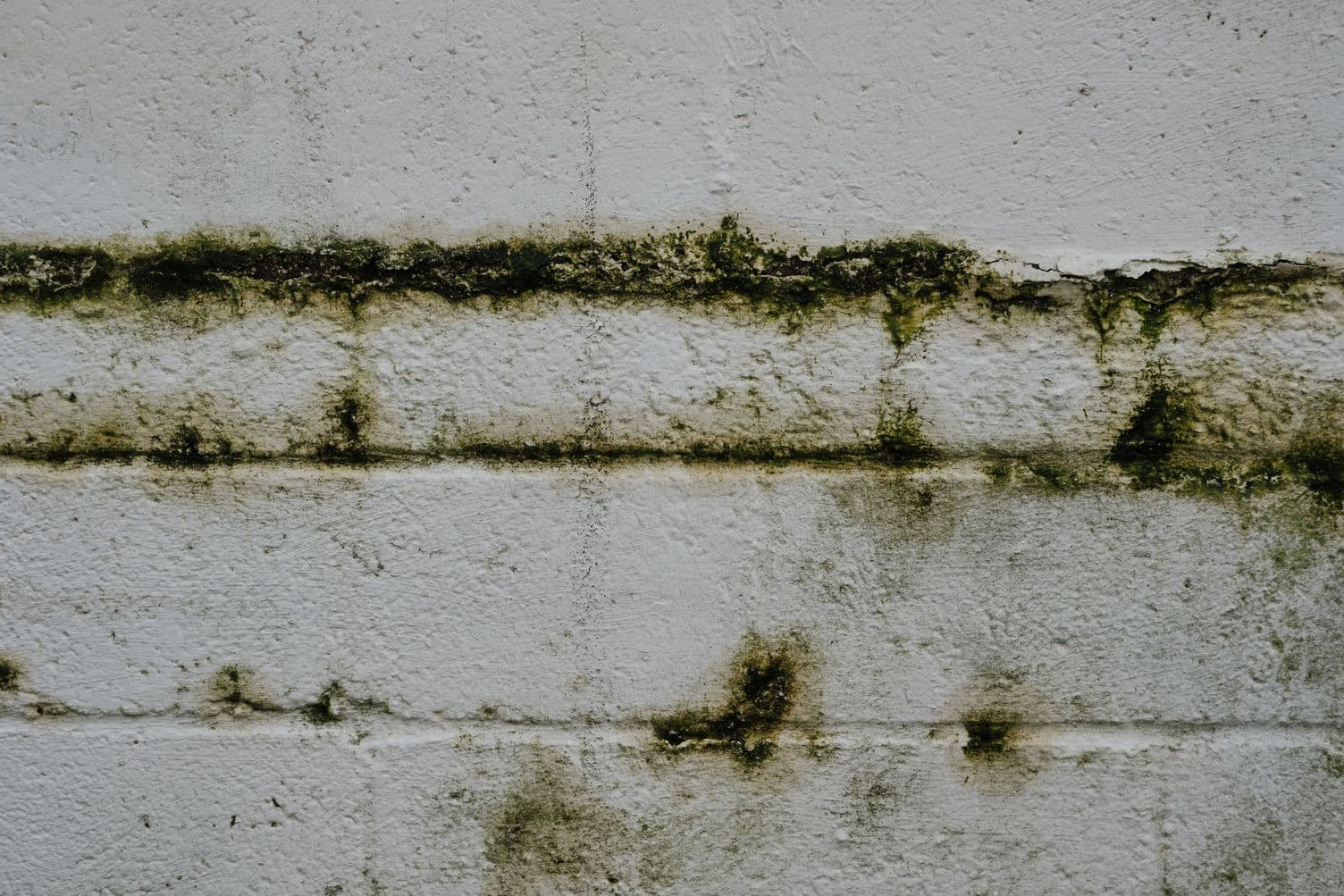
Black Mold Removal
Safe removal of heavier growth under full containment, source corrected.
Learn more →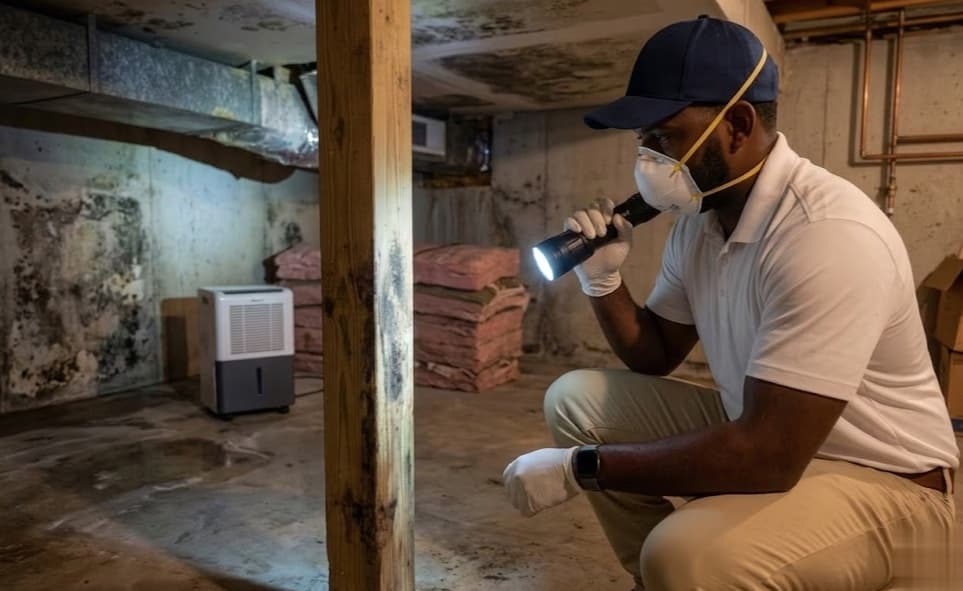
Crawl Space & Basement Mold
The most common mold sites in Metro Atlanta homes, handled at the source.
Learn more →More mold services we handle in Lawrenceville:
- Attic Mold Removal
- Basement Mold Removal
- Bathroom Mold Removal
- Crawl Space Encapsulation
- Air Duct Mold Removal
- Water Damage & Mold
- Moisture & Humidity Control
- Emergency Mold Removal
Lawrenceville is in Gwinnett County. See more areas we serve across Metro Atlanta.
Why Lawrenceville Homes Get Mold
Lawrenceville sits in central Gwinnett County, one of the metro's oldest courthouse towns, on rolling terrain near the headwaters of the Alcovy River and Shoal Creek. Its housing spans well over a century. The neighborhoods around the historic square and along Crogan and Perry streets include older homes with crawl spaces, basements, and original construction where moisture hides easily. Beyond that core, large subdivisions like those around Sugarloaf, Collins Hill, Rock Springs, and the Five Forks and Hurricane Shoals areas filled in from the 1980s onward with two-story homes, many with finished or daylight basements on wooded, rolling clay lots.
The red clay common throughout Gwinnett drains slowly and keeps water against foundations, and the wooded lots stay shaded and slow to dry. Because the subdivisions went up in close succession, many of these homes are now reaching the age where original roofs, HVAC, and water heaters start to cause moisture problems together. We regularly find mold in damp crawl spaces under older homes near the square, in finished basements that seep during heavy rain, and in bathrooms and around HVAC systems.
The rapid, dense growth has also added townhomes and apartments with shared plumbing, where a leak in one unit can wet a neighbor's wall. Lower-lying lots near the Alcovy headwaters and Shoal Creek stay humid and dry slowly after rain. Across the full range of housing, from a century-old home near the square to a 1990s home in Collins Hill, the constant is moisture lingering in humid, clay-bound terrain. Our work centers on tracing it to the source, whether grading, a roof or plumbing leak, or high humidity, then fixing it so the result holds.
Damp basements and crawl spaces raise a second question beyond mold, since radon enters homes through the same below-grade spaces, and the team behind Erase Mold also offers radon testing in Metro Atlanta.
Serving Every Neighborhood in Lawrenceville
We work throughout Lawrenceville and the surrounding Metro Atlanta area. If you do not see your neighborhood below, call us. We almost certainly cover it.
Also serving nearby Duluth, Norcross, and the rest of Gwinnett County.
What Affects the Cost of Mold Remediation
Wondering how much mold removal costs in Lawrenceville? Every home is different, so the only accurate number is a written estimate after an inspection, but a few things determine where the cost of the work lands:
How much area is affected
A single bathroom or closet is a smaller job than a whole crawl space or basement.
Where it is in the home
A finished basement, a tight crawl space, or an attic each take a different amount of access and setup.
How far it has spread
Heavier growth and contamination that has moved into hidden spaces takes more containment and labor.
Materials that need replacing
Porous materials like drywall, insulation, and subfloor sometimes have to be removed and rebuilt.
After we inspect the home and find the moisture source, we give you a written estimate with a clear scope before any work starts.
Lawrenceville Mold Questions
Can black mold actually be removed from my home?
Yes. Black mold is removed the same way as any other mold: we contain the area, take out the materials it has grown into, HEPA clean the surfaces, and correct the moisture that let it grow. Mold spores exist in all indoor air, so the goal is not a spore-free house, it is getting the growth and the conditions back to normal. Once the moisture source is fixed and the area is cleaned and verified, the visible mold is gone and far less likely to return.
Will I have to throw away my furniture and belongings?
Not necessarily. Porous materials that mold grows into, like drywall, insulation, carpet, and ceiling tile, usually have to be removed because they cannot be fully cleaned. But non-porous items such as glass, metal, sealed or solid wood, hard plastics, and most clothing can usually be cleaned and kept. We go through it with you rather than throwing things out by default.
What is the difference between mold removal and mold remediation?
"Removal" sounds like every spore is gone, but spores are a normal part of the air in every home, so that is not realistic. "Remediation" is the accurate term: we remove the active growth and the materials it has spread into, then bring your home back to normal, healthy mold levels by fixing the moisture behind it. We use both words because people search for "removal," but remediation is what actually protects you.
Does homeowners insurance cover mold?
Sometimes. Mold from a sudden, accidental event like a burst pipe is more often covered, while mold from a slow leak, high humidity, or flooding is usually not, and many policies cap how much they pay for mold. It comes down to your specific policy, so it is worth checking with your insurer.
We own an older home near the Lawrenceville square. Where does mold usually turn up in these?
In the older homes around the square and along Crogan and Perry streets, mold most often turns up in the crawl space or basement, since those predate vapor barriers and modern drainage, and in original bathrooms with little ventilation. We trace the moisture source, whether groundwater, grading, or a slow leak, and remediate while protecting the older structure as much as we can.
Our Collins Hill subdivision home has a finished basement. What makes those prone to mold?
Finished basements in Lawrenceville's 1980s and later subdivisions hide their below-grade walls behind drywall, so seepage through the foundation or simple humidity can grow mold out of sight before it is noticed. On the slow-draining Gwinnett clay, water sits against the foundation after rain. We inspect behind the finished surfaces for both growth and the water source, then address the moisture.
The subdivisions here all went up around the same time. Does that matter for mold?
It does. When a neighborhood is built in one stretch, original roofs, HVAC systems, and water heaters tend to age out together, so several homes hit the point where a slow leak can feed moisture at once. A timely inspection finds that moisture before it spreads through a large home, which is why we look at the whole house rather than a single stain.
Concerned About Mold in Lawrenceville?
Tell us what you are seeing or smelling and we will help you figure out the next step. Mold can begin to grow on damp surfaces within 24 to 48 hours, so it pays to look into it early.