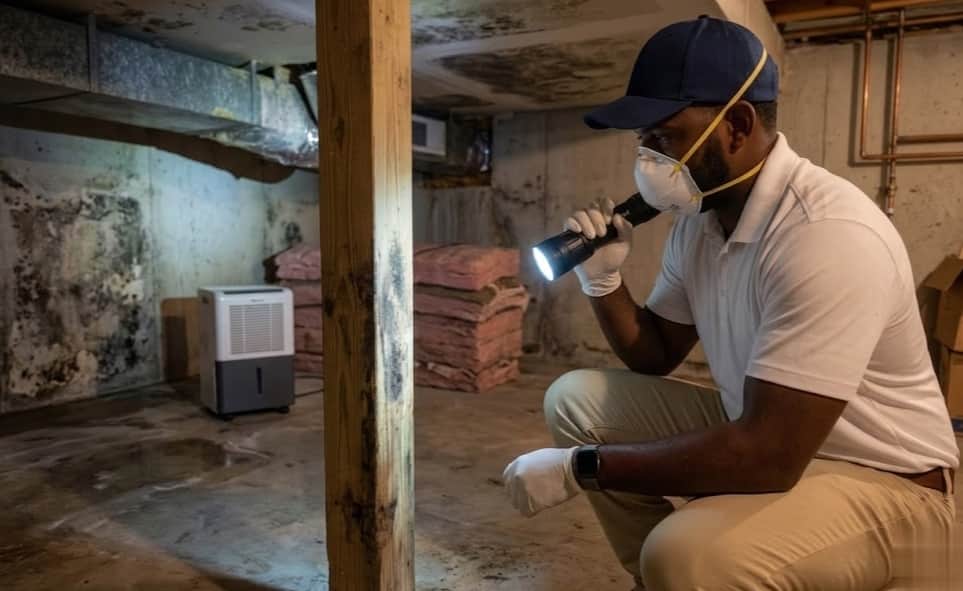
After water damage, the clock matters more than almost anything else. The EPA notes that mold can begin to grow on damp materials within 24 to 48 hours. That short window is why what you do in the first day does more to prevent a mold problem than anything you can do later. The goal in those early hours is simple to state and harder to execute: stop the water and start drying everything that got wet.
Whether the water came from a burst pipe, an overflowing appliance, a roof leak, or a storm, the response is broadly the same. Below is a step-by-step on what to do first, why drying is the whole battle, when to bring in a professional, and how insurance tends to work, framed honestly so you know what to expect.
What to Do First
- Stop the source. If you can do it safely, shut off the water supply or address the leak so more water stops coming in. For a plumbing failure, this often means closing a supply valve or the home's main shutoff.
- Stay safe. Avoid standing water that is near electrical outlets, panels, or appliances, and treat water that came from sewage or outside flooding as contaminated. If there is any doubt about electrical hazards, keep out of the area.
- Remove standing water. Get the bulk water out with a wet vacuum, mop, or pump, then start moving air with fans and run a dehumidifier to pull moisture out of the space.
- Pull up and separate wet materials. Lift soaked carpet and padding, move wet furniture off damp floors, and open up the area so the surfaces underneath can actually dry rather than staying sealed and wet.
- Document everything. Before you remove or throw anything away, photograph and note the damage thoroughly. This record is important if you file an insurance claim.
Why Drying Is the Whole Game
Mold does not need much to get started, just moisture, organic material, and a little time, and a wet house supplies all three. Materials that stay damp are what grow mold, so the faster and more thoroughly the area dries, the lower the risk. The first 24 to 48 hours are the difference between a cleanup and a remediation.
Not everything can be saved by drying. Porous materials that cannot be dried quickly and completely, such as saturated drywall, carpet padding, and insulation, often need to be removed rather than salvaged. And surface dry is not the same as dry. Water hides inside wall cavities, under flooring, and in framing, where it can keep feeding mold long after the visible surfaces feel fine to the touch. Getting the structure genuinely dry is what closes the window mold needs.
When to Call a Professional
For a minor spill you caught and dried right away, you may be perfectly fine handling it yourself. Bring in a professional when:
- The affected area is large, beyond roughly 10 square feet.
- Water has been sitting for more than a day or two.
- The water was contaminated, such as sewage backup or outdoor floodwater.
- Moisture has gotten inside walls, under floors, or into the HVAC system where you cannot reach it to dry it.
- You already see or smell mold developing.
Professional drying with commercial air movers and dehumidifiers, and proper water damage mold remediation when mold has already taken hold, can keep a single water event from turning into a lasting mold problem. The objective is always the same: remove any mold, dry and correct the moisture source, and return the space to a normal condition. When water has been sitting and growth has spread, that step moves into full mold removal, and a fast response often calls for emergency mold removal to limit how far the damage gets.
How Insurance Usually Works
Whether a homeowners policy helps with water damage and resulting mold tends to come down to what caused it, and policies vary, so the only authority on your coverage is your own policy and your insurer. As a general structure, though, a few patterns are common across the industry.
Damage from a sudden and accidental event, like a pipe that bursts without warning, is more often covered, though many policies that address mold do so with a separate, capped sublimit rather than full coverage. By contrast, mold and water damage that result from gradual leaks, long-term seepage, deferred maintenance, or neglect are commonly excluded, on the reasoning that they could have been prevented. Damage from outside flooding is generally not covered by a standard homeowners policy at all and typically requires separate flood insurance.
None of that is a promise about your situation. Read your declarations page, look specifically for mold and water language, and call your agent to ask how your policy treats both before assuming anything. Acting fast to limit the damage and keeping that photo documentation also helps, because most policies expect you to take reasonable steps to prevent further loss.