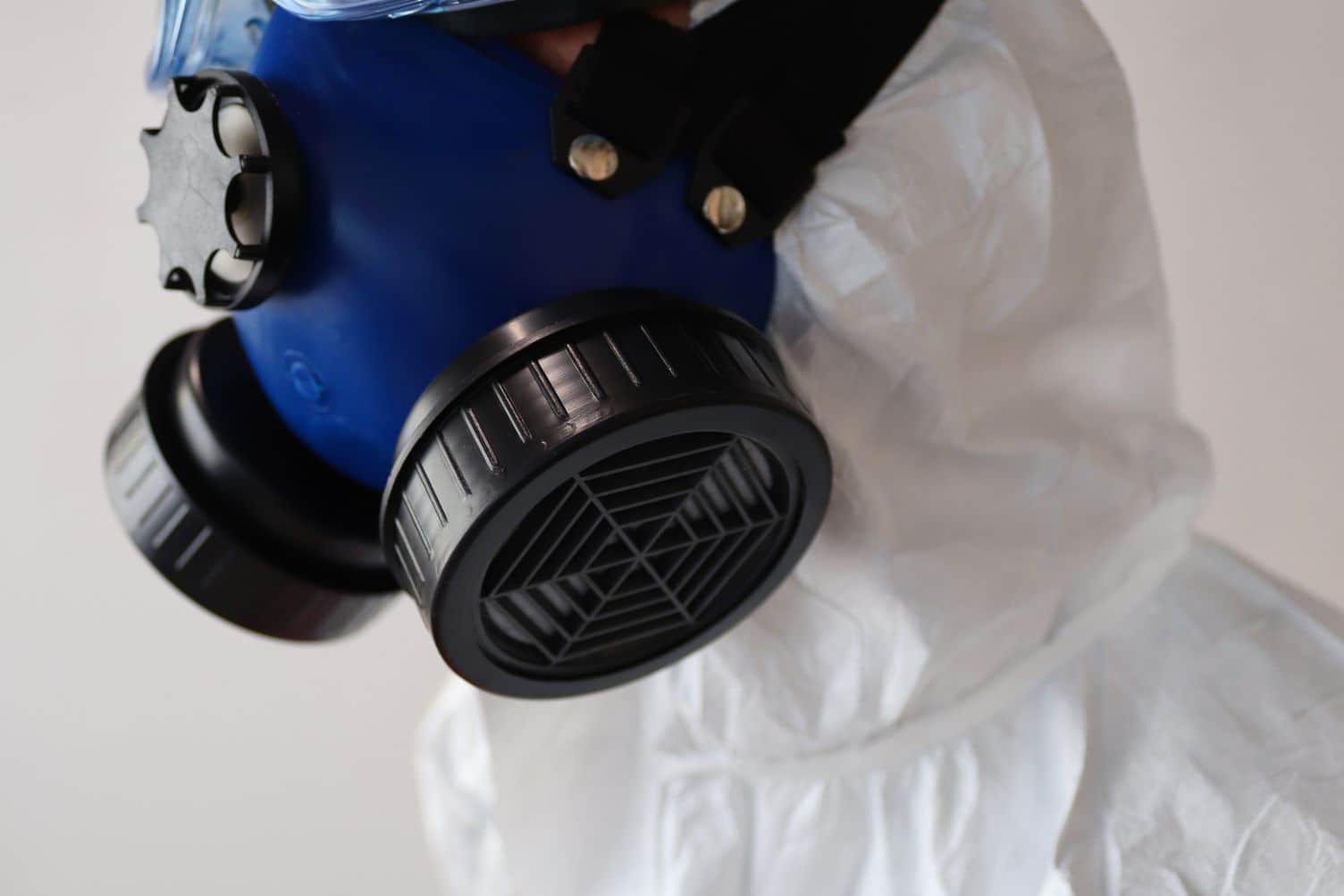
Metro Atlanta
Black Mold Removal, Handled Properly and Honestly
We remove dark mold growth with proper containment and fix the moisture behind it, and we give you the facts instead of fear.
- Inspection that pinpoints the moisture source, not just the mold
- Containment-first work to limit the spread of spores
- A clear written scope and timeline before any work begins
Request an Inspection
Tell us what is going on and we will get right back to you.
Quick answer
Removal of dark-colored mold using the same containment-first remediation approach, with the facts about so-called black mold explained.
Black mold is one of the most searched and most misunderstood mold topics. The term usually refers to dark-colored growth, sometimes the species Stachybotrys chartarum, that tends to appear on materials that have stayed wet, like drywall, wood, or ceiling tiles. Here is the honest picture: according to the CDC, the popular idea that black mold produces unique poisons that cause specific severe illnesses is not supported by the evidence. Any indoor mold can affect people who are sensitive to it, so the practical response to black mold is the same as for any mold. Remove it properly, contain the area, and fix the moisture that fed it. We handle dark mold with the same careful, containment-first process we use for all remediation, and we will not use scare tactics to sell a job.
What Our Black Mold Removal Includes
Straight facts about black mold
We start by explaining what is and is not known. The CDC states there is no proven link between Stachybotrys and the severe illnesses often attributed to it online. That does not mean it should be ignored, only that the right response is sound remediation, not panic.
Containment-first removal
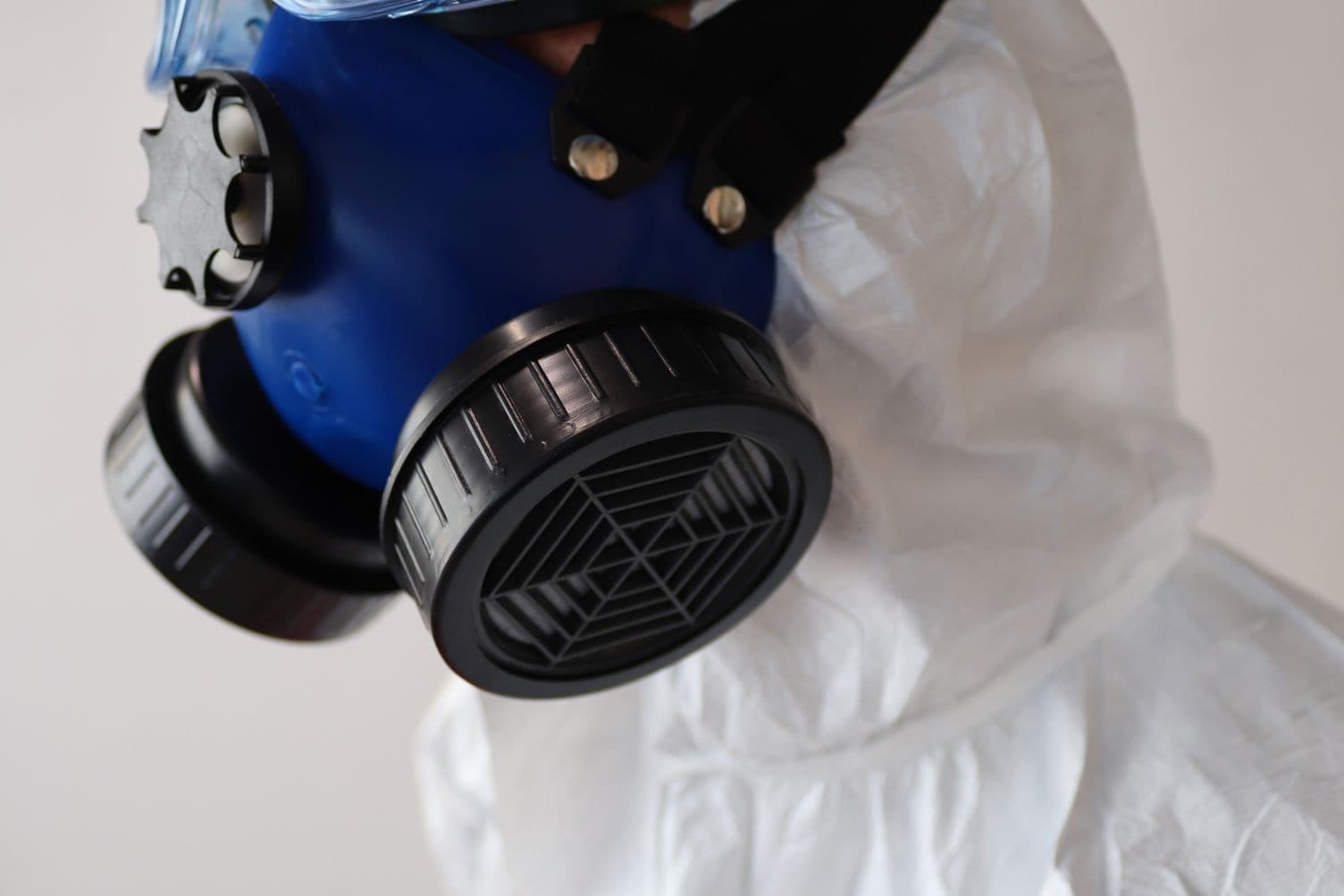
Dark mold is removed using the same containment, HEPA filtration, and careful material removal we use for any remediation. The aim is to physically remove the growth rather than simply treat or paint over it, because even dead mold can remain allergenic.
Fixing the moisture that caused it
Dark molds like Stachybotrys typically need materials that have been wet for an extended time. Finding and correcting that moisture source, a chronic leak, flooding, or persistent humidity, is essential to keeping it from returning.
Documentation and optional verification
You receive records of the work performed, and where useful, post-remediation testing can document that the area has returned to a normal condition.
Signs This May Be What You Need
- Dark green or black growth on drywall, wood, or ceiling tiles
- Growth in an area that has stayed wet for days or longer
- Dark mold appearing after a roof leak, plumbing leak, or flood
- A strong musty odor along with visible dark staining
Why Metro Atlanta Homeowners Call Erase Mold
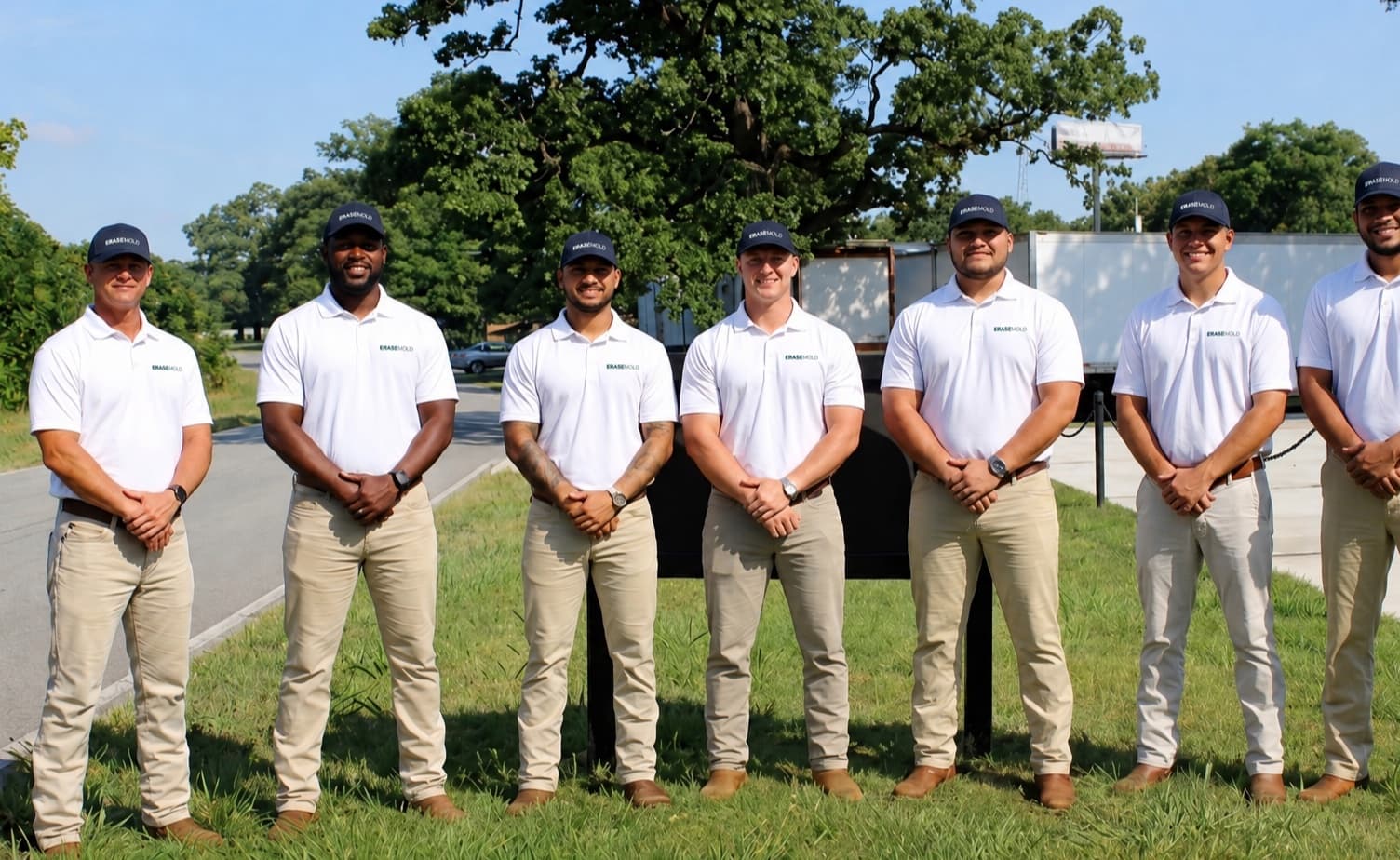
We are a local crew that does mold and water work the right way: find the moisture source, contain the area, and document the job so you know exactly what happened and why.
- Local to Metro Atlanta and its humid climate
- We treat the cause, not just the surface mold
- Containment-first work to protect the rest of your home
- Plain-language answers and documentation at every step
The damp crawl spaces and basements where mold takes hold are also where radon enters a home, so our sister company Erase Radon handles radon testing and mitigation for the same Metro Atlanta homes.
Request an InspectionFrequently Asked Questions
Is black mold more dangerous than other mold?
The popular belief that so-called toxic black mold causes unique or severe illnesses is not supported by the CDC, which notes there is no proven link between Stachybotrys and conditions commonly attributed to it online. Any indoor mold can cause problems for people who are sensitive to it, especially those with asthma, allergies, a weakened immune system, or chronic lung conditions. The sensible approach is to remove it properly rather than to panic.
How do you know if mold is the toxic black mold?
You cannot identify a species by color alone, and many dark molds are not Stachybotrys. Confirming the type requires lab analysis. In practice the identification rarely changes the plan, because the response to any significant mold growth is the same: contain it, remove it, and correct the moisture source.
Can you just kill black mold with bleach or a spray?
Killing the mold is not the goal, and bleach is not recommended as a routine remediation practice. Even dead mold can still trigger allergic reactions, so it must be physically removed. Spraying a product on the surface without removing the growth and fixing the moisture tends to leave the problem in place.
Cost and Insurance
What affects the cost?
Every situation is different, so we do not quote a price before we know what we are dealing with. Cost depends on the size of the affected area, how much material has to be removed, how hard the growth or moisture is to reach, the type and extent of containment needed, and any moisture repairs behind the problem. You get a written estimate after an inspection, so the scope and what is included are clear before any work begins.
Will insurance cover it?
It depends on your policy and the cause. Sudden and accidental events, such as a burst pipe, are more often covered, while gradual leaks, long-term seepage, neglected maintenance, and flooding are commonly excluded or need separate coverage, and many policies cap mold-related costs. We cannot promise what your policy will pay, so review your own policy and speak with your insurer about your situation. We can provide documentation of the conditions we find and the work performed to support a claim.
Related Services
Mold Removal and Remediation
Containment, removal of mold-affected materials, cleaning of salvageable surfaces, and correction of the moisture source behind the growth.
Learn more →Mold Inspection
A thorough visual and moisture inspection to find where mold is growing and the conditions causing it.
Learn more →Post-Remediation and Clearance Testing
Independent verification after remediation, using a visual review and air sampling to document that the area has returned to a normal condition.
Learn more →Mold Service Across Metro Atlanta
We provide black mold removal and the rest of our mold services throughout the Metro Atlanta area. Find help in your city or county:
- Mold removal in Atlanta
- Mold inspection in Sandy Springs
- Mold removal in Marietta
- Mold remediation in Roswell
- Mold inspection in Alpharetta
- Mold removal in Decatur
- Mold remediation in Smyrna
- Mold removal in Dunwoody
- Mold inspection in Brookhaven
- Mold removal in Johns Creek
- Mold remediation in Fulton County
- Mold removal in Cobb County
- Mold inspection in DeKalb County
- Mold removal in Gwinnett County
See all of the areas we serve across Metro Atlanta.
Concerned About Mold in Your Home?
Tell us what you are seeing or smelling and we will help you figure out the next step. Mold can begin to grow on damp surfaces within 24 to 48 hours, so it pays to look into it early.