How It Works
Our Mold Remediation Process
A clear, seven-step path from the first inspection to verified results, with a focus on removing the mold and correcting the moisture behind it.
Mold work is a process, not a single event. Spraying a surface or wiping away what you can see rarely solves the problem, because the spores and the moisture feeding them are still there. Professional remediation follows a structured sequence designed to contain the area, physically remove the mold, correct the water source, and verify the result. Here is how a typical job moves from your first call to documented results.
The Seven Steps
Inspection & Moisture Mapping
Every project starts with an inspection. We walk the property, look for visible mold, musty odors, and water staining, and use moisture meters to map damp materials that are not obvious to the eye. Because mold follows moisture, this step shapes everything that follows.
Testing & Air Sampling (When It Adds Value)
When it adds useful information, we collect air or surface samples to document conditions and compare indoor air to an outdoor baseline. This creates a reference point for after the work is done. Not every situation needs sampling, and we will tell you plainly when it does not.
Written Plan
We explain what we found in plain language: where the mold is, how widespread it appears, and what is driving it. You receive a written scope of work so you can make an informed decision without pressure or surprise add-ons.
Containment, Negative Air & HEPA Filtration
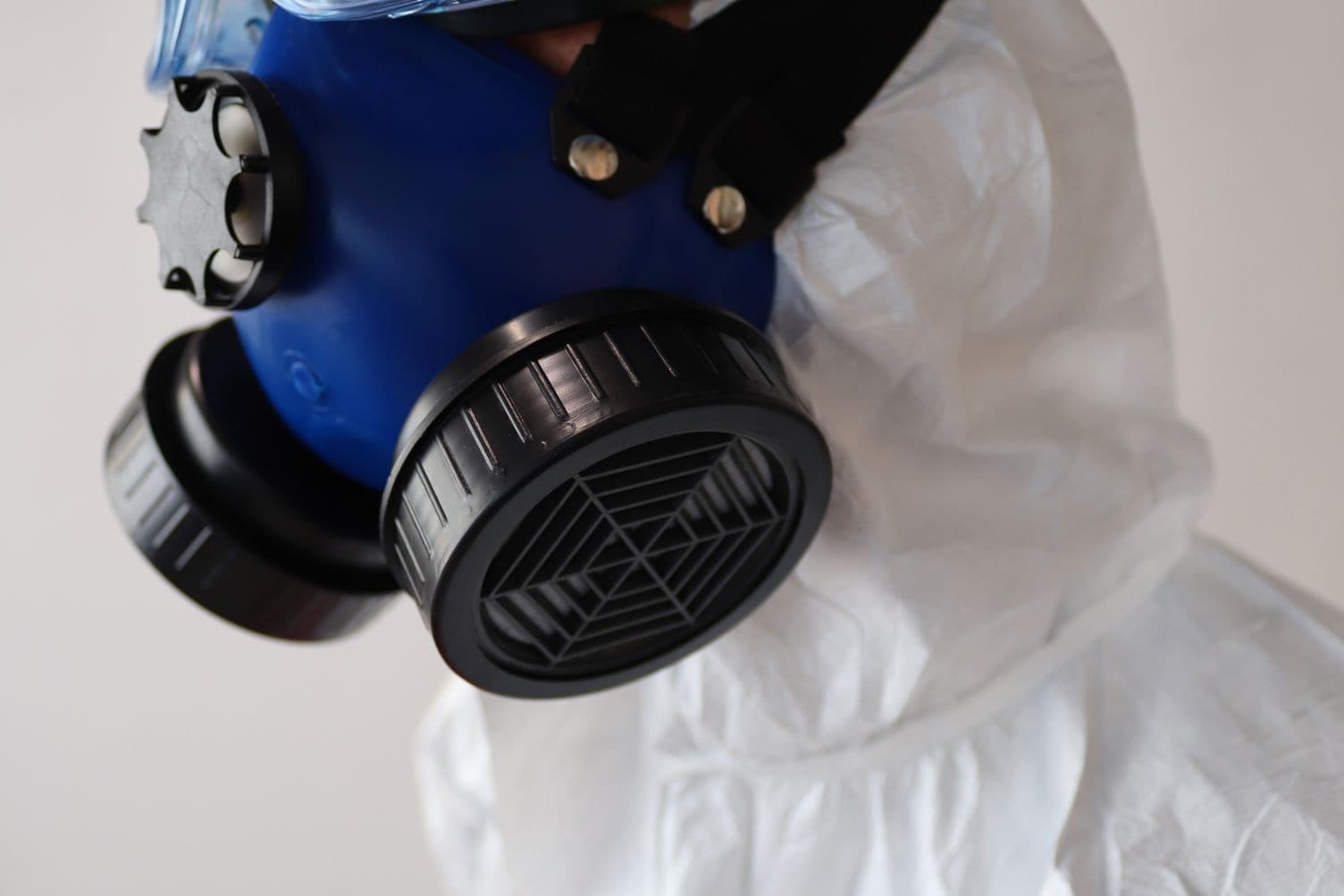
Before removal begins, we set up containment around the work area to limit the spread of spores to clean parts of the building. We use negative air pressure (keeping the work area at lower pressure than the rest of the home so air, and any airborne spores, flows in rather than out) and HEPA air filtration (high-efficiency filters that capture fine airborne particles) during the process, matched to the size and location of the affected area.
Physical Removal & Fixing the Moisture Source
We physically remove mold-affected materials that cannot be cleaned and clean salvageable surfaces. Just as important, we address the moisture source behind the growth, whether a leak, drainage issue, ventilation problem, or high humidity. Removing mold without correcting the moisture only invites it back.
Drying, Dehumidification & Cleaning
We dry the affected materials and use dehumidification to bring moisture back into a normal range, since the EPA notes that mold control comes down to moisture control. Surfaces and remaining contents are HEPA-vacuumed and cleaned to help return the space to a normal fungal ecology.
Post-Remediation Clearance Verification
Where useful, post-remediation clearance testing (a final round of sampling that checks the work area before it is put back together) helps confirm that conditions have improved and the space is ready to be restored. We provide clear documentation of what we found, the work performed, and practical steps to help keep moisture, and mold, under control going forward.
What Guides Every Job
Remove, Do Not Just Treat
The EPA notes that dead mold can still cause health concerns, which is why the goal is to physically remove it, not simply spray or coat over it.
Moisture Is the Root Cause
Mold cannot grow without moisture. Correcting the water source is what keeps it from coming back, so we treat it as part of the job, not an afterthought.
Contain to Protect the Rest of the Home
Disturbing mold releases spores. Containment, negative air, and HEPA filtration help keep clean areas clean while the work is underway.
Document Everything
You receive written records of findings, scope, and any testing, so you have a clear reference point for your property and any future buyers or insurers.
Georgia does not license or certify mold companies, so we believe in transparent, documented work.
Explore Each Step
Mold Testing & Air Sampling
Documenting conditions when sampling adds useful information.
Learn more →Mold Removal & Remediation
Containment, physical removal, and correcting the water source.
Learn more →Post-Remediation and Clearance Testing
Verifying conditions have improved before the space goes back together.
Learn more →Moisture & Humidity Control
Keeping indoor humidity in the 30 to 50 percent range so mold does not return.
Learn more →Concerned About Mold in Your Home?
Tell us what you are seeing or smelling and we will help you figure out the next step. Mold can begin to grow on damp surfaces within 24 to 48 hours, so it pays to look into it early.