Quick answer
Few household terms carry as much fear as black mold. The phrase usually refers to Stachybotrys chartarum, a greenish-black mold that can grow on materials with a high cellulose content, such as drywall, paper, and ceiling tile, that have stayed wet for a long time. It is real, and where it grows it should be removed. But a lot of what gets said about it online goes well beyond what the science supports. Much of the alarm has been amplified by companies that profit from fear. This article separates what is documented from what is marketing.
What Black Mold Actually Is
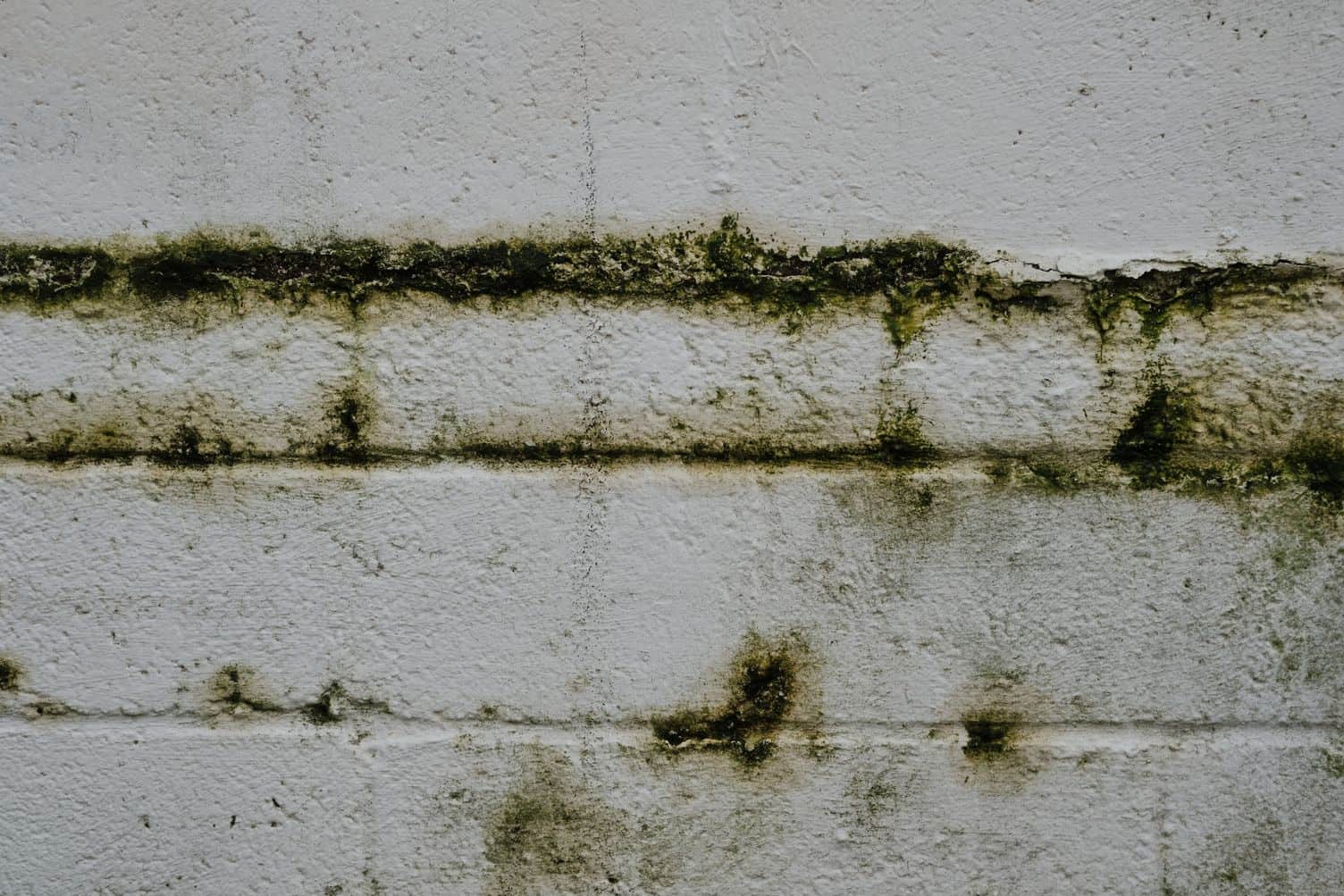
Stachybotrys chartarum is one of many molds that can grow indoors. It tends to appear where there has been chronic moisture, a long-standing leak, persistent condensation, or materials that were soaked and never properly dried. Its slimy, dark greenish-black appearance is part of where the nickname comes from. But color is not a reliable identifier. Many ordinary, common molds also look dark, and the only way to confirm that a given patch is Stachybotrys is laboratory analysis, not a glance at the wall. In practice, knowing the exact species rarely changes what you should do about it.
The Myths Worth Debunking
Myth: Toxic black mold poisons you
This is the central claim behind most of the fear, and it is not supported by the evidence. The CDC states there is no proven link between Stachybotrys exposure and the severe, specific health outcomes it is often blamed for. There is no validated test that ties exposure to a particular set of symptoms in an individual. Calling it toxic black mold makes for a dramatic headline, but it overstates what the science actually shows.
Myth: It causes infant lung hemorrhage
Much of the modern black mold panic traces back to a cluster of infant pulmonary hemorrhage cases investigated in the 1990s that were initially associated with Stachybotrys. On further review, the CDC found the evidence did not support a causal link, and that connection has not been substantiated. The claim persists online, but it does not reflect the current understanding.
Myth: Mycotoxins from your walls make you sick
Stachybotrys can produce compounds called mycotoxins under certain laboratory conditions. That fact gets stretched into the idea that mold in your home is releasing poisons into the air that cause widespread illness. The Institute of Medicine reviewed the available research and did not find sufficient evidence to establish that breathing mycotoxins from indoor mold at typical residential levels causes the conditions often attributed to it. Producing a toxin in a petri dish is not the same as causing disease through everyday household exposure.
The Facts: Why You Should Still Remove It
Debunking the hype is not the same as saying black mold is harmless. There are two solid, evidence-based reasons to remove it promptly, and neither one is that the species poisons you.
First, all mold can trigger problems for sensitive people. The CDC notes that exposure to damp and moldy environments can cause nasal congestion, coughing, wheezing, and throat, eye, and skin irritation, and can worsen symptoms for people with asthma or mold allergies. That applies to mold generally, Stachybotrys included. The reason to address it is allergy and irritation, not a unique poison.
Second, and just as important, the presence of black mold is a signal. A colony of Stachybotrys means a material has been wet for a long time, which points to a real moisture problem: a hidden leak, poor drainage, chronic condensation, or unaddressed water damage. That underlying water issue can also be damaging the structure of your home. The mold is the symptom telling you to find and fix the water.
What Actually Matters
The EPA frames the goal the same way for every type of mold: physically remove the growth and fix the water source. Dead mold can still cause allergic reactions, so spraying or bleaching it and leaving it in place is not a solution. Whether a patch is black, green, or white matters far less than the fact that it is there and that something is keeping the area wet.
So if you find what looks like black mold, the right response is calm and practical rather than panicked. You do not need expensive species testing to justify acting, and you should be wary of any company that leads with fear-based claims about toxic mold poisoning your family. Have the moisture source identified, have the growth removed properly, and verify the result. If you would like a clear-eyed assessment of what is going on and where the moisture is coming from, a professional inspection is a good place to start.