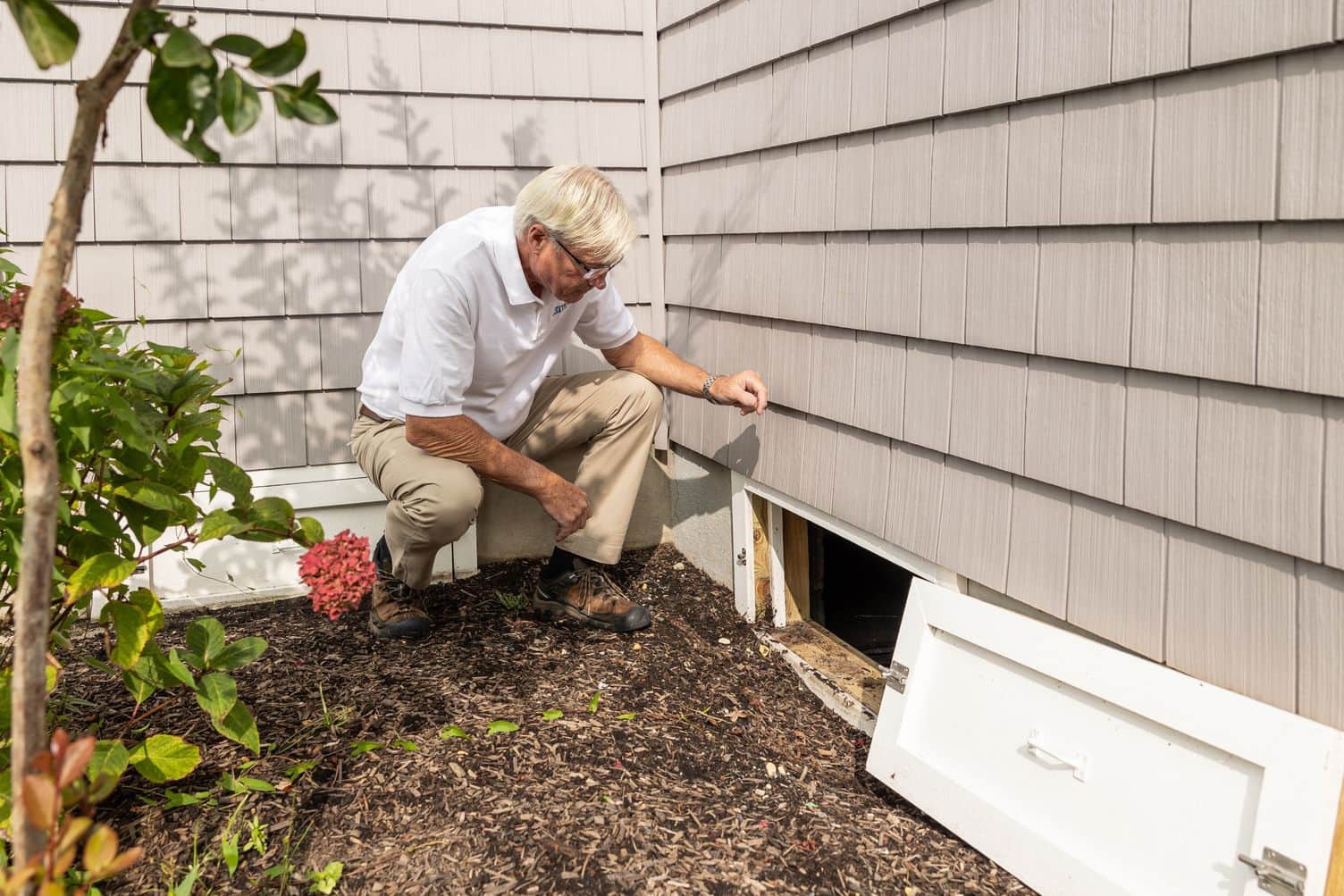
Here is something most mold companies will not lead with: in Georgia, anyone can call themselves a mold inspector or remediator. The state does not license, certify, or register mold professionals. The University of Georgia Extension says it plainly, noting that in Georgia and many other states there are no licensing requirements for mold professionals. And the EPA, contrary to what some ads imply, does not have a certification program for mold inspectors or remediation firms.
That puts the responsibility on you to vet whoever you hire. The good news is that knowing what to look for makes it straightforward. This guide walks through the credentials that actually mean something, the questions to ask, and the marketing claims that should make you walk away.
First, Understand What Licensing in Georgia Does and Does Not Cover
A handful of states, including Florida, Texas, Louisiana, and New York, license mold assessors and remediators. Georgia is not one of them. So if a company advertises itself as a state-licensed or state-certified mold company, that claim does not reflect a Georgia mold license, because no such license exists.
Georgia does license general contractors, and larger repair and build-back work after remediation may fall under those rules. But that is separate from the mold work itself. The takeaway: do not rely on the word licensed as your filter. Look at the credentials and practices described below instead.
Credentials Worth Looking For
Industry training and a documented process
Even without a state license, reputable mold professionals pursue training and follow a consistent, documented process. Ask a company to walk you through how it approaches a job and what training its technicians have. A company that can describe a clear, repeatable methodology is committing to doing the work properly rather than making it up as they go.
Insurance
Ask for proof of general liability insurance and, where applicable, workers compensation. Mold work involves opening up parts of your home and handling materials that have to be removed correctly. You want a company that carries coverage in case something goes wrong.
References and a track record
Ask for references and look at independent reviews. A company that does good work will have customers willing to vouch for it. Pay attention to how reviews describe the process and the follow-through, not just the star rating.
A written scope of work
Before any work starts, you should receive a written scope that describes what will be done: the areas being treated, how the space will be contained, what materials will be removed, how the moisture source will be addressed, and how the result will be verified. That scope should grow out of a thorough mold inspection, not a quick glance. A clear written scope protects both sides and is a strong signal you are dealing with professionals.
Independent clearance testing
There is a built-in conflict of interest when the same company both does the removal and certifies its own work. Many homeowners prefer to have post-remediation clearance testing performed by a separate, independent party. A trustworthy remediation company will welcome third-party verification rather than resist it.
Red Flags That Should Send You Elsewhere
"We kill the mold"
Killing mold is not the goal, and it is not how proper remediation works. The EPA is clear that dead mold can still cause allergic reactions, so it has to be physically removed, not just sprayed and left in place. Routine fogging or bleaching as a stand-in for removal is a warning sign. The real objective of mold removal is to take out the mold, fix the moisture source, and return the space to normal indoor conditions.
"Mold-free guarantee"
Mold spores exist everywhere, indoors and out. No honest company can guarantee a mold-free home, and there are no federal safe limits for spore counts to measure against. A guarantee of zero mold is a marketing promise that cannot be kept. What a good company can stand behind is doing the work to standard and fixing the moisture that caused the problem.
"EPA-certified" or "EPA-approved"
The EPA does not certify or approve mold companies. Any business claiming an EPA certification is misrepresenting how the agency works. It is reasonable for a company to say it follows EPA guidelines; it is not accurate for one to claim EPA certification.
Selling you an ERMI test as a homeowner
ERMI is a DNA-based analysis the EPA developed as a research tool. The EPA states it is not recommended for use except as a research tool and should not be used to make decisions about your home. A company pushing ERMI testing to consumers, often to justify expensive work, is using a research method outside its intended purpose.
Fear-based pitches about toxic black mold
Be wary of a company that leads with claims that black mold will poison your family or cause specific diseases. The CDC notes there is no proven link between Stachybotrys exposure and the dramatic health outcomes often advertised. All indoor mold growth should be removed because of allergy and irritation concerns, but scare tactics are a sales technique, not science.
A Short Checklist to Take With You
- Can they describe a clear, repeatable remediation process?
- Can they show proof of insurance?
- Will they provide references and do they have credible reviews?
- Do they give you a written scope of work before starting?
- Do they address the moisture source, not just the visible mold?
- Are they comfortable with independent, third-party clearance testing?
- Do they avoid mold-free guarantees, EPA-certified claims, and fear-based pitches?
Why We Put This in Writing
We would rather you hire an informed homeowner's choice than hire us by default. Because Georgia does not license mold companies, an educated homeowner is the best protection against bad actors in this industry. If you are comparing companies, hold every one of them, including us, to the checklist above.